June 18, 2026

Estate Planning Attorney Marketing

This article provides results-focused strategies for estate planning firms to thrive in 2026. It targets attorneys, advisors, and marketing leaders seeking reliable methods to draw in more clients. These tactics aim to build a predictable pipeline.

Estate Planning Digital Marketing is now the leading source of new inquiries for many firms. With billions set to pass through generational transfers and about 60% of Americans lacking a plan, the demand is substantial. This creates a major opportunity for Digital Marketing For Estate Planning Lawyer and Digital Marketing For Estate Planning Attorneys.

Marketing 1on1 has demonstrated results by combining conversion rate optimization. One notable example is a Washington, D.C. metro estate planning firm that saw a 61% revenue increase after adopting an organic-first strategy.

Results include enhanced organic visibility, improved local rankings, and an increase in qualified calls and form submissions. These outcomes are expected within a 6–18 month period with continuous optimization. The following sections will explore SEO, local search, Google Business Profile tactics, content and thought leadership, paid media, events, and measurement frameworks tailored for Marketing For Estate Planning Law Firms.

Digital Marketing For Estate Planning: Overview And Why 2026 Matters

Estate Planning SEO

Estate planning is at the crossroads of trust, timing, and financial urgency. With significant wealth transfers on the horizon and 60% of Americans without an estate plan, the need for clear guidance is growing. This need positions Marketing For Estate Planning as a critical focus for law firms and financial advisors in 2026.

Shifting demographics are creating timely opportunities for estate planning firms. The aging population and increasing interest in holistic financial planning expand the market. Advisors have seen a significant increase in estate services, indicating a long-term demand for Estate Planning Marketing that builds trust.

Prospective clients often delay because of cost concerns. Digital platforms offer education on a large scale, reducing these barriers. SEO, content marketing, webinars, and video help simplify legal complexities into actionable steps. This approach boosts client confidence and supports Marketing For Estate Planning Attorneys in need of a steady flow of clients.

Employ a balanced digital strategy. Organic SEO enhances visibility for those actively seeking information. Paid media and PPC provide immediate lead generation. A website focused on conversion, simple contact forms, and automated email follow-ups increase consultation bookings and client lifetime value.

Marketing Estate Planning Services benefits from digital efforts that align with professional expertise. Content that addresses client questions improves search rankings and reduces intake barriers. Clear calls-to-action and user-friendly UX convert organic traffic into booked appointments.

Choosing the right partner is essential. An Estate Planning Marketing Agency with expertise in law-firm SEO and local search offers targeted strategies. Sprint-based execution, data-driven testing, and experience in the legal industry help smaller firms outperform larger competitors for specific queries.

Case studies demonstrate the effectiveness of an organic-first approach. A Washington, D.C. area estate planning client saw significant revenue and local visibility gains through targeted SEO, content, and Google Business Profile work. This pattern illustrates how focused Estate Planning Marketing Agency efforts can yield tangible business results.

Estate planning firms planning for 2026 should focus on easy contact paths. Integrate Marketing For Estate Planning with client service, use data to refine offers, and run focused sprints to accelerate results.

Estate Planning SEO: Building The Organic Foundation

Organic search is key for estate planning practices to attract clients. A well-planned strategy combines keyword intent, technical optimization, and content structure. This approach ensures a steady flow of qualified leads.

Keyword strategy and local intent

Start with location-focused keywords such as estate planning [city] and wills and trusts lawyer. Align commercial-intent terms with practice pages and informational queries with blog posts and FAQs. Audits often reveal numerous long-tail keywords and geographic areas to target.

Mapping 300+ relevant phrases to current pages can uncover content gaps and new ranking opportunities. Focus on converting phrases and use local modifiers to attract nearby searchers. This strategy enhances the visibility of Estate Planning SEO Company campaigns and targets specific markets for Estate Planning SEO For Advisors.

Technical and on-page SEO foundations

Improve meta descriptions with targeted phrases and location modifiers. Organize H1 and H2 headings with primary keywords in mind, ensuring user-friendliness. Use schema markup for attorneys and practice areas to increase the chances of appearing in rich results.

Quickly address site speed, mobile responsiveness, crawlability, HTTPS, and structured data. These technical improvements are foundational for Estate Planning Law Firm SEO Services and broader SEO For Estate Planning efforts.

Content structure and topical clusters

Build core service pages for estate planning, probate litigation, and estate administration. Connect these pillars to supporting content and FAQs, forming topical clusters. This enhances relevance and helps search engines display the most relevant pages for user queries.

Publish educational content regularly to capture informational searches. Use internal linking and siloing to direct readers from practice pages to blog resources, increasing discoverability and consultation rates. This structure aligns with the strategies of Estate Planning SEO Company and supports Estate Planning SEO For Advisors in need of consistent lead generation.

SEO For Estate Planning Lawyers: Local Search And GBP Strategy

Local search is essential for firms that want to win nearby estate planning clients. Estate planning lawyers benefit from accurate listings, local content, and strong social proof. This section outlines steps to enhance Estate Planning Lawyer SEO through Google Business Profile optimization, citation building, and targeting “near me” and city queries.

Optimizing Google Business Profile

Make sure your Google Business Profile is fully optimized. Include precise NAP, business hours, accepted payment methods, and clear categories. Use service descriptions to list trust-and-estate services and add booking links for consultations.

Publish weekly updates to keep the profile active. Enable messaging and Q&A for quick contact. Regular updates signal relevance for Estate Planning Attorney SEO Company Near Me searches.

Local Listings And Client Review Strategy

Build consistent citations across Avvo, FindLaw, Justia, and local chamber directories. Consistent citations strengthen Local SEO For Estate Planning Attorneys and reduce conflicting signals to Google.

Create a simple review workflow: request reviews after intake with a direct Google Review link, place testimonials on service pages, and respond promptly to feedback. Use reviews as social proof in firm brochures and email signatures.

Targeting “Near Me” And City-Based Estate Planning Searches

Map local intent keywords to specific landing pages. Create city-targeted pages for suburbs and neighborhoods with content that reflects local issues like probate timing or state forms.

Target niche phrases such as probate litigation attorney near me to compete against larger firms. Track GBP impressions, clicks, calls, and rankings for target cities to measure gains for SEO For Estate Planning Law Firm and to refine tactics.

Content And Thought Leadership For Estate Planning Marketing

Strong content can turn uncertain visitors into consultation-ready clients. Estate Planning Marketing must merge clear explanations with practical tools to foster trust and capture leads. It is essential to create content that addresses immediate concerns and guides prospects towards their next steps.

Client-focused content formats

Develop in-depth guides on wills, trusts, and the probate process. Offer downloadable checklists and planning workbooks to capture emails. Practice area pages should be specific and actionable to enhance conversion rates.

Publish how-to posts that answer common estate planning concerns. Case studies and client stories demonstrate outcomes without breaching privacy. Incorporate interactive tools like estate calculators and planning worksheets that request contact details to unlock results.

Social video and educational content strategy

Short videos work well for explaining estate planning topics. Two-minute clips that explain basic concepts or common mistakes help prospective clients grasp value quickly. End each video with a clear call to action to book a consultation or download a resource.

Select social platforms based on referral sources. Use LinkedIn for referral partners and professional outreach. Facebook and Instagram are ideal for families and retirees. Upload videos to YouTube with optimized titles and descriptions to support Estate Planning Lawyer Digital Marketing goals.

Film horizontally on a phone, use natural light, and keep edits concise. Repurpose a single long interview into short clips and social posts for repeated exposure. Include branded Estate Planning Marketing Materials in thumbnails and captions to reinforce credibility.

Email and newsletter nurturing

Design automated drip campaigns for webinar sign-ups and consultation leads to nurture prospects over weeks and months. Send annual review reminders and anniversary messages to maintain client relationships and encourage referrals.

Segment email lists by planning stage to send more relevant content. Track open rates, click-through rates, and conversion to booked consultations. A/B test subject lines and calls to action to improve performance of Estate Planning Newsletter Marketing.

Use newsletters to share timely articles, short videos, and downloadable planning templates. Link back to in-depth Content Marketing For Estate Planning Attorneys resources so subscribers move from awareness to decision.

Bring these tactics together into a measurable plan tied to real business outcomes. Use Estate Planning Marketing Materials across channels and integrate with Estate Planning Lawyer Digital Marketing campaigns to create consistent messaging and steady lead flow.

Estate Planning Attorney Marketing: Paid Media, Events, And Webinars

Paid campaigns and events provide fast ways to begin new client conversations. Estate Planning Attorney Marketing combines targeted PPC, well-designed landing pages, and in-person or virtual events. This approach turns interest into actual appointments. Digital Marketing For Estate Planning Lawyer strategies help align messaging across different channels and maintain follow-up systems.

PPC Strategy And Landing Page Optimization

Launch search campaigns focused on terms like “estate planning attorney near me.” Use negative keywords to cut down on unnecessary spending. PPC For Estate Planning Attorneys campaigns perform best when ad groups align with specific service pages.

Create dedicated landing pages for each ad group. Ensure forms are brief and include clear phone CTAs. Add trust signals like bar membership, client testimonials, and brief case outlines. Test different page layouts and simplify contact processes to boost conversion rates.

Employ smart bidding when possible and monitor conversions for form submissions and calls. Tag leads with source data to measure lead quality. Connect performance to Marketing For Estate Planning Lawyers KPIs to determine where to increase spending.

Educational Events And Webinars For Lead Growth

Host educational webinars such as Estate Planning 101 or probate basics. Keep sessions brief, 30–60 minutes, and use real-life examples to engage attendees. Provide clear next steps, such as scheduling a consultation, at the end of each event.

Capture participant information and add contacts to automated nurture sequences. Repurpose recordings into blog posts, short video clips, and email content. These assets increase reach and support Digital Marketing For Estate Planning Lawyer efforts across various channels.

Retargeting And Social Advertising For Nurturing Leads

Retarget website visitors and webinar attendees with customized creatives encouraging action. Use appointment CTAs, content offers, and testimonial-driven ads to move prospects through the funnel. Marketing Ideas For Estate Planning Attorneys often highlight client stories and simple checklists to enhance engagement.

Segment audiences on Facebook and LinkedIn. Remarketing should focus on users who visited specific practice pages or watched video content. Monitor cost per lead, cost per acquisition, and lifetime value to refine targeting and creative choices.

Measurement And Continuous Optimization For Estate Planning Law Firm SEO Services

Accurate measurement turns SEO work into clear business insight. Estate Planning Law Firm SEO Services must track visits, calls, and conversions. This shows how SEO For Estate Planning Attorneys moves prospects through the funnel. Use clear metrics to link content and local listings to client intake.

Estate planning marketing KPIs and attribution

Track form submissions. Measure revenue impact to justify ongoing Estate Planning Law Firm Marketing spend.

Adopt multi-touch attribution to map the role of content, local search, paid media, and referrals. This gives a fuller view of how SEO For Estate Planning Lawyers and paid channels work together to drive conversions.

Monthly sprint implementation and optimization

Run 2–3 complementary sprints each month. Each sprint should have a clear objective, hypothesis, and measurable outcome. Typical sprint topics include audits, on-page and technical SEO fixes, content creation, GBP optimization, and CRO.

Sprint cycles help teams prioritize fast wins and align Estate Planning Attorney SEO efforts across technical and content work. Case study sprints produced audit and competitor research, on-page SEO, GBP optimization, and conversion updates with measurable uplifts.

CRO tests and A/B experiments

Test page layouts, headlines, CTA wording, form length, button placement, trust signals, and lead magnets. Small changes often yield outsized gains for Estate Planning Law Firm Marketing conversion rates.

Make contact forms easier to complete and add micro-CTAs inside blog content. Use phone-first UX on mobile and track form field drop-off to refine fields. Monthly reporting should feed iterative changes to metadata and content based on performance trends.

Performance Measure Business Value Example Target
Organic traffic percentage Reveals SEO visibility and practice-area reach Reach a 65% organic share of total visits
Google Business Profile impressions and calls Shows local search demand and call activity Grow GBP-driven calls by 40% year-over-year
Lead form and call volume Shows how many prospects contact the firm Reach 500 qualified leads annually
Prospect-to-client rate Connects marketing to revenue for SEO For Estate Planning Attorneys Increase lead-to-client conversion to 10% within 12 months
Marketing-driven revenue Proves the business value of SEO and marketing efforts Move tracked revenue from $805K toward $1.3M over three years

Continuous optimization blends sprint work with A/B test results. Use data to refine priorities and scale what works for SEO For Estate Planning Lawyers. Keep reporting concise, frequent, and tied to the metrics that matter most to attorneys and firm leadership.

Estate Planning Marketing Agency Playbook: Choosing The Right Partner

Selecting the right agency can strongly influence long-term growth for estate planning firms. Look for an agency with a deep understanding of the legal industry. They should have a data-driven approach and provide clear case studies that demonstrate the impact of their marketing efforts on revenue. The ideal partner will combine local search expertise with measurable tactics that ensure compliance and increase client acquisition.

What To Seek In An Estate Planning Marketing Agency

Prioritize agencies that understand professional ethics. Request examples of their success in boosting local visibility, generating more calls, and improving conversions. Agencies that use sprint-based roadmaps and define KPIs are more likely to deliver consistent results.

Seek transparency about their marketing channels and roles. An Estate Planning Attorneys SEO Agency or Estate Planning Attorney SEO Company should explain how SEO, GBP, content, and CRO are integrated. Request client references and detailed success stories, not just rankings.

Agency Deliverables And Growth Timelines

Agencies typically offer a growth audit, keyword research, technical SEO fixes, and updated metadata. They also create practice pages, produce ongoing blog content, optimize GBP, and manage local citations. Monthly reports should detail rankings, traffic, leads, and sprint outcomes.

Early improvements may appear within 3–6 months. Significant local ranking gains and steady organic growth usually take 6–12 months. Revenue scaling is often evident over a 12–36 month period, as seen in Marketing 1on1’s DC Metro case study.

Pricing Models And Clear Scope Alignment

Pricing models vary, including monthly retainers for ongoing SEO and content, project fees for audits or redesigns, and hybrid models. Ensure the scope of work, including practice pages, blog posts, GBP management, and CRO deliverables, is clearly defined before signing.

Choose an Estate Planning Lawyer SEO Company or Estate Planning Marketing Agency that connects work to business outcomes. Request clear scope documents and success metrics to ensure your investment yields expected returns.

Final Thoughts

Digital Marketing for Estate Planning in 2026 works best when local optimization operate together. Begin with SEO and a robust Google Business Profile. Then, add educational content and short-form videos to foster trust. PPC, webinars, and email campaigns should follow, focusing on lead generation and conversion optimization.

Key steps include a growth audit and identifying high-intent local keywords. Optimize your Google Business Profile and publish timely educational content. Run targeted PPC campaigns when necessary. Hosting webinars and implementing email nurture sequences are also essential. Regular sprint-based tests help validate scalable strategies, ensuring repeatable results with clear KPIs.

The DC Metro case study shows how an sprint-based approach can create measurable growth. It led to significant revenue growth and a substantial increase in organic search traffic. For estate planning firms, choose a partner with legal expertise, transparent reporting, and proven success. This helps convert market demand into consistent growth.

Big Walk In Closets

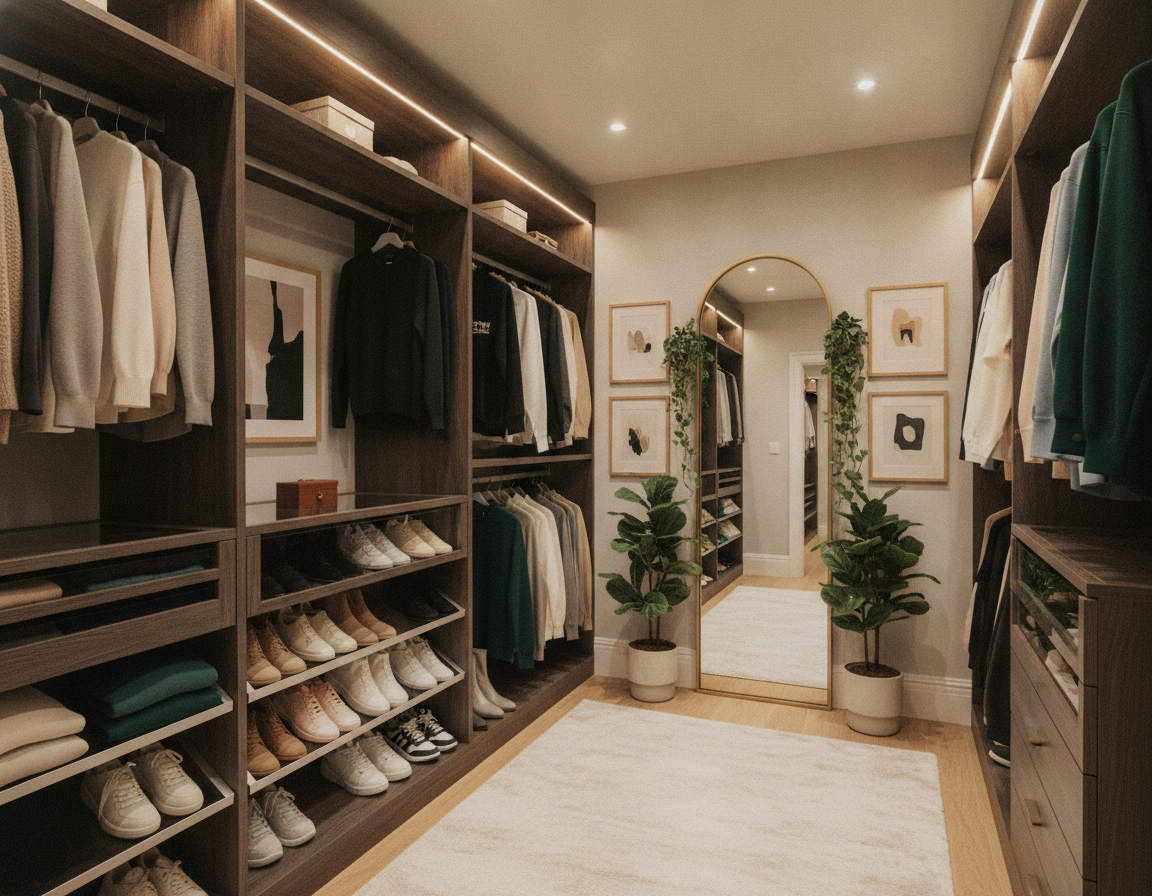
Last spring, I assisted my sister as she revamped her messy upstairs closet in a San Francisco Victorian home. What began as a simple afternoon of sorting became a weekend of detailed measuring and sketching. We eventually installed a modular system, making every dress and shoe instantly accessible. By Sunday evening, the closet had changed into a mini-boutique, making her morning routine far more efficient.


This guide explores Walk In Closets Designs that can improve storage, enhance organization, and upgrade the appearance and function of your home. Whether you are planning a complete closet remodel or a lighter makeover, you will find practical ideas and design principles. These concepts can apply to homeowners and renters across the country.

This guide covers essential steps such as planning, measuring, and applying sound design principles. You will learn the benefits and trade-offs of custom and modular closet systems. Smart solutions for small spaces and styling tips to achieve a boutique feel are also covered. For product ideas, you may visit www.organizercloset.com for closet organizer systems and accessories.

Main Key Takeaways

  • Walk In Closets Designs can help change messy spaces into stylish closets.
  • Good closet design coordinates hanging space, shelves, and drawers for easier daily use.
  • Accurate measurement and inventory are necessary before embarking on a closet remodel or makeover.
  • Decide between custom, built-in solutions and flexible modular systems based on your budget and needs.
  • Small closets benefit from vertical storage, corner solutions, and organized storage accessories.

Small Walk In Closets Ideas

How To Plan Your Walk-In Closet By Measuring Space And Assessing Needs

Beginning a walk-in closet project works best when you start with clear information and simple layout tests. First, inventory your belongings and measure the space accurately. Consider how the space will be used. This step is helpful when deciding between pre-made closet systems and custom designs.

Take A Full Inventory Of Everything You Need To Store

Create a list of your clothing, including shirts, dresses, coats, suits, and everyday outfits. Be sure to include shoes, handbags, belts, ties, scarves, jewelry, and other accessories. Add seasonal items, luggage, safes, keepsakes, and anything else that may be stored in the closet. Check other storage areas like basements, guest rooms, and attics to ensure your plan covers all your needs.

Measure Current Storage Usage And Available Dimensions

Measure how much width your hanging clothes use, since a row of shirts may require 36″ or more. Record the vertical space required for long items such as dresses, which may need around 52″ of clearance. Also, measure the depth of your shoes and the shelf space you’ll need.

Draw each wall in 2-D on graph paper, using a simple scale such as 1 cm = 2 ft for fast planning. Include ceiling height, door swings, built-ins, outlets, vents, and any other obstructions. Use blue painter’s tape on the wall or floor to test hanging depth, aiming for roughly 24″.

Consider Accessibility And User Habits

Record the heights of primary users to set rod and shelf heights for comfortable use. Keep frequently used items at convenient heights. Reserve top shelves for seasonal storage, with a spot for a step stool below.

Decide whether you want the closet layout to be more boutique-like, purely functional, or a blend of both. Reflect on past issues to avoid them. Plan for a full-length mirror, a hamper or dirty-clothes cabinet, and outlets for LED lighting or charging devices.

For small spaces, consider compact closet solutions. Compare different closet systems, especially options with drawers for mixed storage. If you plan to do the project yourself, review the materials, tools, and hardware needed for a DIY build.

Walk In Closets Designs: Core Design Principles

Effective closet design begins with a clear purpose. Organize items into zones like workwear, casual, shoes, and accessories. A focal point, such as an armoire-style hutch or a large mirror, enhances the space’s feel. It also guides the placement of closet cabinets and systems.

Plan the layout so each zone works as practically as possible. Keep daily wear near the entrance for quick and easy access. Reserve deeper shelves for seasonal items. A standout element, like custom drawers or display shelving, adds intentionality and supports organization.

Balance Hanging, Shelving, And Drawer Space

Consider your storage needs. Use hanging space for suits, dresses, coats, and items that wrinkle easily. Shelves are best for folded items and handbags. Drawers conceal smaller items and help keep the closet looking tidy. Proper planning of drawer counts and locations enhances maintenance and complements built-in systems or freestanding cabinets.

Use vertical space and corner solutions

Maximize wall height by using top shelves for off-season storage. Adjustable shelving offers flexibility. Corners can be difficult to use well, so consider corner units, lazy Susans, or specialty organizers. Clear acrylic drawers and risers allow for safe stacking and visibility.

Design choices affect both function and cost. Fixed shelves can be cost-effective and work well with standard baskets. Adjustable shelving is more versatile and can support future layout changes. Custom designs are often ideal for unusual dimensions, premium finishes, or highly specific storage needs.

Closet Design Need Ideal Solution Why This Works
Frequent outfit changes Double rods paired with easy-access drawers Increases hanging space while keeping essentials close at hand
Off-season storage needs High shelves plus labeled bins Uses vertical space for off-season items and keeps floors and lower shelves clear
Small footprint Corner organizers with open shelving Captures awkward space and maintains visibility in tight layouts
Premium closet display Custom closet design with built-in lighting and closet cabinets Combines luxury display with practical closet system integration
Cost-conscious adaptability Modular closet systems with adjustable shelves Provides a lower-commitment option with room to adjust later

Strong closet solutions combine good looks with practical function. Whether you choose modular systems or custom designs, plan zones, combine storage types, and use vertical and corner space. This approach helps create a tidy walk-in closet.

Custom And Modular Closet Systems: Options And When To Choose Them

The best closet plan balances form with practical function. Start by considering permanence, budget, finish preferences, and installation needs. A custom closet provides a precise fit and tailored features. Modular closet systems give flexibility and quicker closet installation when needs evolve.

Built-in versus modular choices

Built-in units are often framed into the walls and can match trim or millwork for a seamless appearance. Homeowners seeking a high-end finish and long-term solution often choose built-ins. A custom closet company will handle measurements, design, and custom closet installation for a flawless result.

Modular closet systems usually arrive as pre-made components that you assemble yourself or have installed. These systems are good for renters, for phased budgets, and for people who like to reconfigure. Many modular lines include adjustable shelves, hanging rods, and ready-made drawer modules.

Closet Drawer Options And Organizer Features

Choosing a closet system with drawers adds concealed storage for folded garments, underwear, and small accessories. Closet systems with drawers can improve daily usability and reduce visible clutter.

Look for built-in organizers such as jewelry trays, tie dividers, belt storage, and valet rods. Islands and benches with drawers can increase storage in larger closets. Professional installers often include drawer options as part of the standard design package.

Materials, Finishes, And Hardware

Material choices influence both durability and style. Premium composite wood with laminate or woodgrain finishes can resist wear while imitating the look of solid wood. Choose finishes ranging from crisp white to warm oak tones to coordinate with bedroom décor.

Hardware choices—handles, glass fronts, and specialty pulls—shape the final look. Glass doors and polished brass pulls can create a stronger boutique feel. Choose finishes during the design consultation to ensure cohesion with furniture and trim.

Comparing Features And Value

Feature Custom Closet Modular Closet System
Space fit Precise fit for walls and ceiling Best for standard dimensions and flexibility
Cost Higher starting investment More affordable options available
Installation approach Usually installed by professional closet installers Quicker setup and possible DIY assembly
Design features Custom features and tailored drawers Broad selection of modular drawers and accessories
Home resale impact Often positive when finished well Can be neutral or positive depending on quality

When looking for professional help, try searches like custom closets near me to compare local closet companies. A solid conversation with a custom closet organizer or designer clarifies what fits your lifestyle and budget.

Maximizing Storage In Small And Challenging Spaces

Small walk-in closets may feel tight, but smart planning can turn them into efficient and calm spaces. Aim for a layout that uses every inch of wall height, vertical storage, and available depth. Plan zones for hanging clothes, folded items, accessories, and shoes so the closet stays organized without crowding the floor.

Effective layout ideas often begin with shallow shelves and double-hang rods for shirts and pants. An L-shaped or U-shaped arrangement uses perimeter walls for maximum storage. For extra seating or hidden storage, pick a narrow bench that fits the footprint.

Practical Layout Ideas For Small Walk-In Closets

Use shallow 12″ shelves for baskets, folded clothing, and small storage bins. Place double-hang rods on one wall for shirts and pants, and reserve one long-hang rod for dresses or coats. Consider stacking vertical cubbies for accessories to keep surfaces clear.

Organizers And Accessories That Save Space

Back-of-door organizers inspired by Elfa-style systems can immediately increase usable space. Add accessory hooks on hanging rods for bags and scarves. Use S-hooks, valet rods, drop-front shoe boxes, and clear acrylic drawers to keep items visible and accessible.

How To Plan Around Standard Basket And Bin Sizes

Design fixed shelves around common bin heights of 8″–11″. Leave about 12″ between shelves as a practical standard for grab-and-go baskets. Shelves a little deeper than 12″ can provide flexible storage for larger bins, towels, and folded linens.

For very narrow footprints, choose a narrow closet organizer or narrow-profile small closet systems. These units give tailored fits that look built-in. Small custom closets often combine shallow drawers with open shelving to maintain a boutique feel.

Prioritize vertical stacking and drawer dividers to get more use from limited depth. File-folding saves drawer space, while wall and door hooks keep everyday items handy. A compact closet system for small closet footprints can transform cramped closets for small bedrooms into usable, stylish storage.

Closet Challenge Practical Solution Common Dimensions
Restricted storage depth 12″ shallow shelving and slim hanging zones About 12″ shelf depth and 16″–18″ hanging clearance
Limited vertical storage Tall shelving, stacked cubbies, and vertical drawer towers Common bin heights of 8″–11″ with tall 72″–96″ units
Limited floor space Slim stools, wall shoe storage, and narrow storage benches Bench depth 12″–16″; shoe slot 4″–6″ each
Messy accessories Clear boxes, rod hooks, and shelf dividers Hooks and rods usually need 2″–4″ clearance; divider height should match the shelf
Limited door clearance Back-of-door organizers, hanging shoe pockets, slim overdoor hooks Overdoor pockets 12″–18″ wide; 4″–6″ pocket depth

Creating A Boutique Feel With Styling And Finishing Touches

A well-styled closet transforms into a personal boutique. Start with a plan that balances practical function with visual flair. Incorporate lighting, mirrors, furniture, and coordinated accents to achieve a deliberate, luxurious feel without clutter.

Use Lighting And Mirrors Effectively

Install LED strips in shelving and wardrobe niches during the electrical rough-in phase. Task lighting near a vanity or closet island can improve dressing and makeup routines. Use track lights or recessed spotlights to highlight displays and add visual depth.

A full-length closet mirror or a mirrored door inset expands visual space. Smart bulbs let you move from bright task lighting to soft mood lighting using schedules or voice commands. Good closet lighting supports both utility and ambiance.

Closet Furniture, Island Seating, And Display Ideas

For larger walk-ins, consider a compact closet island for extra surface area and drawers. In smaller spaces, a storage bench or two-drawer units that double as seating are ideal. Choose closet furniture with matching finishes for a more cohesive look.

Display jewelry on trays or busts and use hanging organizers for necklaces. A small lamp on a vanity or decorative tray on an island can add a boutique-style touch. Thoughtful display can turn everyday items into attractive visual features.

Decor Elements: Wallpaper, Art, And Coordinated Storage

Use peel-and-stick wallpaper behind open shelving or on the ceiling to introduce pattern without permanence. Hang framed art in unexpected niches to personalize the closet. Coordinate bins, baskets, and boxes for a neat and refined appearance.

Label opaque containers so contents stay hidden yet easy to find. Coordinated storage reduces visual clutter and improves closet styling. Lamps and small decorative accents can warm the space and emphasize a curated luxury-closet feel.

Choose a focal point, such as a bank of drawers or a hutch, and repeat materials or bin styles to create rhythm. A single well-placed closet mirror complements the layout and reflects closet lighting to brighten the room.

Closet Element Purpose Practical Best Practice
Built-in LED strips Illuminates shelves and drawers Install early; use warm white for clothing and cooler light for task areas
Compact closet island Adds a work surface and storage Select a narrow profile and add drawers for accessories
Large closet mirror Makes the space feel larger and assists dressing Place opposite a light source and consider mirrored doors
Coordinated bins Hides items and creates a unified look Choose matching finishes and label each container clearly
Accent wallpaper or art Adds style, personality, and a focal point Apply to back panels or ceilings to avoid overwhelming the space
Programmable bulbs and controls Supports convenience, moods, and routines Program nightlight scene and bright dressing scene for convenience

Closet Planning, Installation, And Professional Help

Start with detailed sketches and a mockup so you can test dimensions before making changes to any wall. Create a 2-D plan for each wall on graph paper with a simple scale such as 1 cm = 2 ft. Mark common shelf and rod depths: about 24″ for hanging and 12″ for baskets. Use blue painter’s tape to transfer these measurements to the room, ensuring ergonomics and circulation.

Turning Sketches Into A Blue-Tape Mockup

Walk through the space with the blue-tape mockup and mentally open drawers, doors, and cabinets. Adjust heights for users of varying heights. Measure clearances for doors, drawers, walking paths, and dressing zones. This low-cost step can reduce surprises during a closet remodel and help you visualize the finished layout.

Choosing A Closet Company Or Installer

Request free in-home design consultations from closet companies. Bring your inventory list, measurements, and mockup photos. Evaluate each option based on design skill, finish choices, installation services, warranties, financing, and showroom access.

Review local reviews and testimonials for companies like Closets by Design and national providers. Ask about catalog tiers and collections that match different budgets. Confirm if the custom closet company offers both design and professional installation for a seamless process.

Cost Considerations And Project Timeline

Request a written estimate that details materials, labor, accessories, and installation charges. Compare cost line items to understand premium composites, laminates, islands, and specialty hardware impacts. Ask about custom closet costs for similar projects and which choices tend to increase the budget.

Typical walk-in closet installations may finish in one to two days for standard builds. Custom systems may require longer lead times for manufacture and delivery. Obtain a detailed timeline and payment schedule before starting and inquire about financing options.

Professional installers ensure panels, drawers, and shelves are anchored and aligned for safe long-term use. After installation, the space is ready for immediate use, with warranties applied where provided. Use searches such as closet installers near me and closet designers near me to compare local experience, reviews, and showroom options.

If you plan DIY elements, research organizers and accessories at resources like www.organizercloset.com. Compare build-your-own choices with professional installation to decide whether a partial or full closet installation best fits your goals and budget.

Closing Thoughts

Starting a walk in closets designs project requires meticulous planning. Begin by taking a full inventory, measuring walls and clearances, and sketching out zones for hanging, shelving, and drawers. This approach ensures closet organization is efficient and minimizes wasted space during remodeling.

Choose between custom closets or modular systems based on your needs. Focus on maximizing drawer space and use vertical solutions and standard bin dimensions in small closets. Accessories like pull-out baskets and corner solutions can transform tight spaces into functional areas.

Complete the project with thoughtful lighting, mirrors, and coordinated finishes. Simple styling choices can raise your closet to a boutique-level look. Before starting, test layouts with blue-tape mockups, set a clear budget, and choose a reputable installer. Search for closet design near me or local designers to compare quotes, timelines, and service options.

For additional resources, product ideas, and organizer options, visit organizercloset.com. Explore custom closet systems, closet storage systems, and closet installation services to bring your design concept to life. This will result in an elegant and functional space.

Lockable Hose Bibb for Commercial Properties: What to Know

Outdoor faucets can be very useful, but they are also exposed when left unsecured. This guide covers how Water Hose Locks and matching hardware help protect spigots, discourage unauthorized use, and minimize wasted water. It presents practical options for homeowners, businesses, and institutions throughout the United States. These measures are important in drought-prone areas where Lock Water Hose solutions are increasingly necessary.

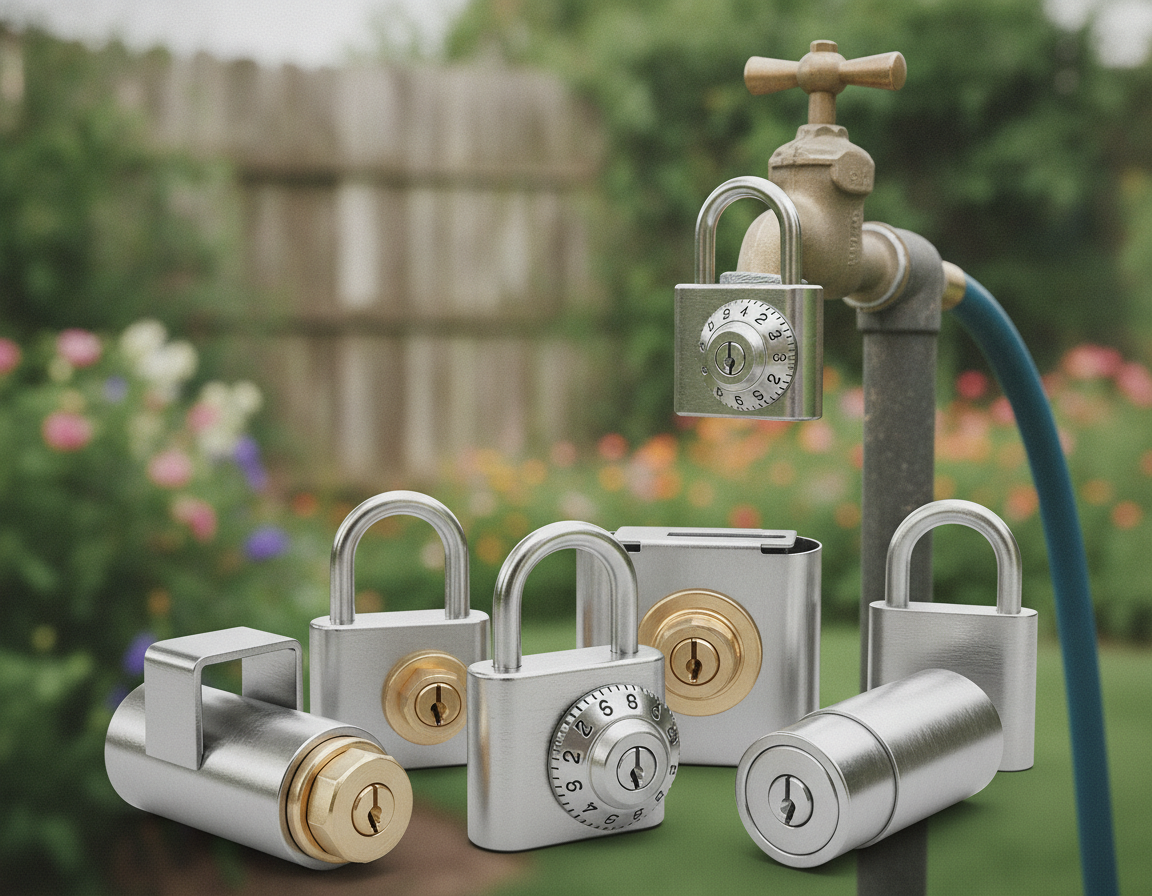
The article covers various solutions, including Hose Lock styles, Water Faucet With Lock designs, and vandal-proof boxes like the AA-HB-100 stainless steel model. It also looks at lever-handle and quarter-turn faucet locks, as well as keyed or combination Lock For Water Spigot options. Readers will learn how to choose the right lock for their faucet, installation basics, and maintenance tips.

Installation Parts Supply (https://installationpartssupply.com) is highlighted as a trusted online source for faucet locks, lock boxes, and compatible replacement parts. It supplies both homeowners and plumbing professionals. The benefits of using these locks involve theft prevention, reduced utility costs, less water waste, deterrence of vandalism, and enhanced property security.

Why Outdoor Faucet Security Is Important For Homeowners And Businesses

Outdoor faucets, though simple, can create significant issues if not secured. An unlocked spigot can waste water, raise utility bills, and give others unauthorized access to private water lines. Installing a Locking Hose Bib or a Hose Bibb Lock mitigates these risks and protects property value.

In states like California, where water is scarce, theft is on the rise. Reports of unauthorized taps into hydrants, municipal stations, and residential spigots have increased. A Lockable Hose Bibb or a Lock For Water Spout serves as a clear warning, discouraging casual misuse and preventing hefty meter charges.

Unsecured spigots can create problems beyond expensive water bills. They can cause flooding, landscape erosion, foundation seepage, and basement damage. Installing a Lock For Water Faucet or Hose Bibb Lock can significantly reduce the risk of costly repairs, insurance claims, and legal liability.

Communities facing water restrictions depend on compliance to manage limited water supplies. Securing private taps with Locking Hose Bibs and lockable enclosure boxes helps water conservation. Municipalities can enforce rules more effectively, and neighbors benefit from secured outlets during droughts.

When choosing a Locking Hose Bib or similar device, it is essential to consider site needs, faucet type, and local rules. Investing in a quality Lock For Water Spout or Lock For Water Faucet is a small step towards protecting assets, conserving water, and supporting community goals.

Types Of Water Hose Locks And How They Work

The right device for a lockable water spigot varies with faucet style, access needs, and the required security level. Below are common options, how each works, and where they fit best.

Locking Hose Bib

Hose Bibb Locks And Locking Caps

Hose bibb locks usually feature a metal cap or sleeve that slides over the spigot opening and locks into place. The cover covers the hose threads, stopping hose attachment and preventing the water from being turned on.

These caps are usually budget-friendly and made for outdoor weather exposure. They commonly fit standard garden-hose threads and work well on round-handle spigots at homes, rental properties, and small businesses. For simple theft prevention, a hose with lock or spicket lock cap is a practical choice.

Vandal-Proof Enclosure Box Locks

Enclosure boxes fully surround the faucet and bibb inside a lockable metal or plastic case. The unit prevents access to the handle and hose connection for strong protection in public or industrial settings.

Options like heavy-duty stainless lock boxes are rated for cutting resistance and long life. These boxes work with padlocks or integrated cylinders and are preferred where a visible deterrent and maximum theft resistance are required for locks for hose bibs.

Lever Handle And Quarter-Turn Faucet Locks

Lever and quarter-turn locks fit over modern handle shapes and stop the handle from rotating. They attach around the lever, stopping the valve from opening without removing the lock.

These locks are made for newer faucets with flat, lever, or quarter-turn handles. They are usually not suitable for classic round-handle spigots. A Flow Lock that secures the handle is an effective choice for properties with updated faucets.

Combination, Keyed, And Padlock Solutions

Locking mechanisms may feature keyed cylinders, combination dials, or standard padlocks combined with protective shrouds. Keyed locks can offer strong protection, but they require key management. Combination locks allow shared access without key management.

Many enclosures and sleeves are padlock-ready and include hardened shrouds to resist cutting. Choosing between a spicket lock keyed cylinder and a combination-style hose with lock depends on who needs access and how often.

Lock Type Best for Typical materials Protection level
Hose bibb / cap lock Home round-handle spigots Brass, zinc, stainless steel Light to moderate
Enclosure box vandal-proof Commercial, public, and institutional taps 12-gauge stainless steel or reinforced plastic Strong
Lever / quarter-turn lock Updated faucets with lever handles Steel, aluminum, reinforced polymers Medium-high
Keyed, combination, padlock Shared-use locations and varied properties Steel shackles and brass cylinders Moderate to high

Choosing The Best Lockable Faucet Solution

Choosing the right lock involves considering faucet type, placement, climate, and budget. A properly matched lock controls outdoor water access while keeping normal authorized use practical. It also reduces trial and error, saving installation time and effort.

Match the lock to your faucet style

For round-handle hose bibbs, cap-style Lock For Hose models that slide over the valve are usually best. Quarter-turn and lever-handle spigots call for clamp-style Locking Hose Bib fittings, designed for those handle shapes. Freeze-proof spigots require lock designs that can fit inside insulated covers or attach behind the spout.

Evaluating site risk and security needs

In lower-risk yards, a simple cap lock or keyed Lock For Water Spout in the $10 to $25 range is often enough. For high-traffic or commercial sites, heavy-duty options like stainless steel Garden Hose Lock Box enclosures are necessary. Consider visibility, ease of access, and vandalism risk when determining the strength needed.

Freeze protection and climate considerations

In cold regions, choose locks that work with insulated covers or select freeze-proof Lock For Hose products. These are designed to stay installed through winter. If outdoor lines need seasonal draining, remove the locking device before winter to reduce corrosion, ice damage, and cracking.

Budget and maintenance factors

Basic cap locks are usually the most affordable option. Enclosure boxes cost more but provide longer service life when made from stainless steel. Consider long-term savings from reduced water loss. Look for corrosion-resistant finishes and plan for routine lubrication to ensure smooth operation.

Spigot Type Best Lock Option Usual Price Best Use
Round-handle spigot Lock For Hose cap or keyed bibb cap Usually $10 to $25 Residential areas with basic security needs
Modern lever-style spigot Clamp-style Locking Hose Bib or shrouded lock About $20–$60 Moderate-security homes and updated faucets
Commercial or public spigot Stainless Garden Hose Lock Box or heavy-duty enclosure Usually $75 to $250 Public, institutional, or vandal-prone locations
Frost-proof spigot Freeze-compatible lock or removable Lock For Water Spout $25–$100 Cold regions needing winter-ready protection

Step-By-Step Installation And Locking Process

To install a lock on an outdoor water faucet, follow the steps carefully and check fit as you go. Ensure the device fits snugly and functions as expected. Begin with a dry faucet and verify the threads and handle type. Remove hoses, clear away debris, and clean the mounting surface before installation.

Preparing Your Outdoor Faucet For A Lock

First, turn off the water supply and open the faucet to drain remaining water. Dry the spicket to prevent slipping when installing the spicket lock. Check the threads for wear and the handle style to select the appropriate Lock For Water Faucet or Locking Hose Bib.

Fitting The Inner Sleeve And Securing The Lock Body

Many Lock For Water Spout products include an inner sleeve that lines up with faucet threads, grooves, or spout shape. Slide the sleeve over the spigot and make sure it sits flush. Then hand-tighten the lock body over the sleeve. Avoid over-tightening to prevent damage to the threads and premature wear.

Securing With Padlocks Or Integrated Locking Mechanisms

For padlock-ready enclosures, slide the outer cover into place and align the shroud correctly. Insert a hardened padlock through the opening and lock it securely. For keyed or integrated locks, follow the manufacturer’s directions to engage the locking mechanism. Test the security by attempting to open the faucet with moderate force.

Installation Pitfalls And Troubleshooting Tips

Misaligned inner sleeves or fittings can create wobbling, poor fit, or loosening. If this happens, remove and re-seat the sleeve, then hand-tighten again. Ensure compatibility with the Locking Hose Bib for your faucet type to enhance effectiveness.

Rust, mineral buildup, or debris can interfere with fit and prevent smooth locking action. Clean the threads and apply a light outdoor-rated lubricant. In freezing regions, drain water from lock cavities and consider insulated or removable designs to prevent cracking or damage.

Process Step Required Action Tip
First Turn off supply and dry spigot Drain remaining water and dry the faucet with a clean cloth
Step 2 Inspect threads and handle Match Lock For Water Faucet type to handle style before buying
Step 3 Seat the inner sleeve Make the sleeve flush and do not force it
4 Install lock body Avoid over-tightening and thread damage
Fifth Lock with padlock or built-in mechanism Use a hardened padlock for exposed spicket lock enclosures
6 Check fit and troubleshoot Confirm the lock is secure and address any fit issues

Hose Lock Maintenance, Care, And Seasonal Upkeep

Regular care is important to ensure locks remain reliable and last longer. It is recommended to inspect a Hose Lock or Flow Lock at least twice a year. Look for rust, grit, corrosion, or damaged threads that could jam the mechanism. Use a dry cloth to wipe the exteriors and remove debris from moving parts.

Apply a graphite-based lubricant to the lock cylinders and pivot points. Use light lubricants recommended by the manufacturer for stainless components. Heavy oils can attract dirt, so it is best to avoid them. Inspect screws, fittings, and padlock shackles for wear. Tighten loose fasteners and replace worn hardware promptly.

Start spring maintenance by testing each lock after thawing. Make sure keys, cylinders, and combinations work smoothly. During heavy-use months, check that repeated access does not loosen fittings. Inspect seals and gaskets on a Lockable Hose Bibb or Garden Hose Lock Box to prevent leaks and corrosion.

In summer, monitor sun-exposed plastic enclosures for signs of UV damage. UV exposure can weaken materials, so replace parts that become faded, cracked, or brittle. For commercial sites, document inspections for compliance and liability management. A Flow Lock that sticks or binds under frequent use may need cleaning, service, or replacement.

Prepare for cooler months by pairing locks with insulated covers or selecting freeze-proof options. Drain hoses and exposed lines before temperatures drop. If ice formation could harm mechanisms, remove the lock or protect it to prevent cracking or shroud damage.

Follow the manufacturer’s care instructions for stainless hardware and warranty requirements. For example, use specification sheets such as AA-HB-100 when available. Proper maintenance supports Locks For Hose Bibs and Lockable Hose Bibb systems meet their expected lifespan and warranty conditions.

Long-Term Durability: Product And Material Comparisons

The lock solution you choose affects security, upkeep, and total cost. This guide compares common materials and styles to match performance with site needs. It highlights heavy-duty options for higher-risk locations and lighter choices for home use.

Stainless steel cases fight tampering and corrosion well. A 12-gauge Stainless Steel Lock Box is well suited for outdoor use in public and industrial areas. For commercial models, review vendor specifications, warranty details, and country-of-manufacture information.

Plastic Enclosure units are more affordable and can resist some chemical corrosion. They are lighter and easier to install around a Hose Bibb Lock on private property. They do not match stainless steel in forced-entry resistance, making them suitable for lower-risk homes.

Plastic Enclosures Vs. Stainless Steel Lock Boxes

Opt for stainless steel in high-risk areas facing vandalism or heavy use. Choose plastic when lower cost, lighter weight, or certain chemical-resistance needs matter more. Before deciding, consider expected lifespan, warranty coverage, weather exposure, and local climate.

Padlock Compatibility And Shroud Fit

Many lock boxes include a Padlock Ready Shroud designed for shrouded or shackle-less padlocks. This design reduces exposed shackle length and improves cut resistance. For better protection, use hardened steel padlocks or shroud-compatible locks.

Check product specifications for clearance, shroud dimensions, and padlock compatibility. Keyed cylinders from reputable brands discourage picking better than generic locks. Whenever possible, test fit the lock and padlock before final installation.

Where To Buy Reliable Faucet Locks

Installation Parts Supply carries a variety of faucet security hardware for homeowners, plumbers, and property professionals. Retail home centers and online marketplaces often sell basic Hose Bibb Lock models for residential use. For heavy-duty stainless options, check manufacturer-direct sources and industrial suppliers for detailed specifications, warranty information, and samples.

Feature Stainless Lock Box Polymer Enclosure Padlock Shroud Where To Purchase Faucet Locks
Protection level High; resists cutting and prying Weather-resistant but lower physical strength Improves protection with hardened padlocks Installation Parts Supply, manufacturers, industrial suppliers
Rust resistance Excellent; long-term outdoor durability Resists moisture but may degrade under UV over time Often depends on coating and shroud material Home centers for basic locks and specialty vendors for commercial units
Budget impact Higher initial outlay; better long-term ROI Lower purchase cost but shorter possible lifespan Adds cost while improving security Varies by channel; compare warranties and specs
Best use Public, industrial, institutional sites Light-duty residential use Locations needing better padlock shackle protection Buy from local or online sources based on required grade

Water Faucet Lock Cost, Warranty, And Value

When choosing a Lock For Water Faucet, consider both the upfront price and the long-term savings. Hose Lock pricing varies by design, material, construction quality, and intended use. Understanding the Hose Lock Price and Warranty For Faucet Lock details is essential to finding a balance between security and durability.

Hose Lock prices start low for basic cap designs and rise for heavier-duty options. Cap and cap-style locks commonly cost about $10 to $25. Lever-handle clamps are often in a similar or slightly higher price range. Commercial-grade stainless steel enclosures and vandal-resistant units cost more because they use thicker steel and stronger tamper-resistant features.

The real value of a Locking Hose Bib goes beyond its purchase price. It can reduce water theft, saving owners hundreds to thousands of dollars. A quality Flow Lock or stainless enclosure can also reduce vandalism repairs and lower utility costs.

Warranty coverage is important when comparing different brands. Look for manufacturers that provide detailed spec sheets and care instructions. Some 12-gauge stainless models may include vandalism warranties lasting close to a decade. Requesting material samples and reading warranty guides before buying ensures compatibility with your local environment.

Reputable suppliers such as Installation Parts Supply and major hardware retailers often provide product details and replacement parts. Confirming warranty terms and maintenance requirements helps ensure that routine care maintains coverage and extends the product’s life.

Value is more than the initial cost, including water conservation and reduced risk. A well-chosen Lock For Water Faucet supports water stewardship during droughts and shows that the property is secured. Non-monetary benefits such as peace of mind, lower worry about unauthorized use, and local-rule compliance can add meaningful value.

The decision should balance Hose Lock Price, expected savings from avoided water loss, and the long-term benefits of a Locking Hose Bib. A thoughtful purchase balances budget, Warranty For Faucet Lock terms, and the level of protection needed from a Flow Lock or similar device.

Final Thoughts

Installing the right Water Hose Locks is a practical step that secures outdoor water access, reduces theft, and prevents costly water waste and property damage. Whether you choose a basic Lock For Hose cap, a lever-handle lock, or a heavy-duty Lockable Water Spigot enclosure, a proper fit protects fixtures and supports broader neighborhood water-conservation goals.

Before selecting a solution, review your faucet style, local risk level, and climate. For everyday use, a well-fitted Garden Hose Lock Box or keyed bibb cap delivers effective deterrence. For high-risk locations, consider a robust 12-gauge stainless enclosure like the AA-HB-100 for maximum protection and durability.

Take practical next steps by sourcing locks and accessories from reputable suppliers. Review product specification sheets, read warranty terms, and follow manufacturer guidance for installation and seasonal upkeep. Understanding How To Lock Outdoor Water Faucet properly and maintaining the hardware helps extend service life and preserve performance.

A modest investment in a lock system can pay back through lower utility bills, fewer repair surprises, and better compliance during drought restrictions. Secure fixtures with the right tools and routine care to keep outdoor water accessible only to authorized users and give property owners lasting peace of mind.