Agriculture & Landscaping

How to Clear Land in Palestine’s Urban Areas

Key Guide to Land Clearing in Texas

Were you aware Texas encompasses over 171 million acres of land, yet much remains untouched? This immense tract of land is primed for transformation through land clearing. As property owners aim to unlock their land’s value, grasping the intricacies of land clearing is essential. In Texas, where landscapes and land uses vary widely, efficient land preparation is more than a job—it’s the secret to unlocking profitable land development. Whether you’re launching a new construction, agriculture, or simply want to enhance your lot, clearing services are necessary. This guide will walk you through the essential steps of site clearing, guaranteeing your property reaches its peak with streamlined land clearing near me and preparation strategies.

Key Learnings

  • Texas has immense land waiting to be developed.
  • Land clearing is crucial for turning properties into functional spaces.
  • Proficient land preparation elevates land value and usability.
  • Knowing the different clearing services is key for project success.
  • Tree removal is a vital part of the land clearing process.

Understanding Land Clearing in Texas

Land clearing is a fundamental step in preparing land for construction, agriculture, or recreational use. It involves removing vegetation, debris, and obstacles. This process provides land a clear start. Knowledge of land clearing in Texas helps property owners, developers, and farmers make more informed decisions for their projects.

What is Land Clearing?

Land clearing removes unwanted vegetation and obstacles to make land functional. It includes felling trees and bushes, as well as removing underground obstructions like roots. This guarantees the land is ready for construction or agriculture.

Importance of Land Clearing for Development

Land clearing is essential for development. It removes hazards and improves land access. It makes the ground level and free of obstacles, perfect for building or farming. Using professional Texas land clearing services guarantees the process is done right and meets environmental standards.

Common Land Clearing Techniques

Land clearing encompasses various methods tailored for different projects and settings. Recognizing these techniques aids landowners in selecting the most appropriate approach for their needs. Below, we explore mechanical clearing, manual clearing, and forestry Mulching, each with its own benefits.
Tx2

Mechanical Clearing Methods

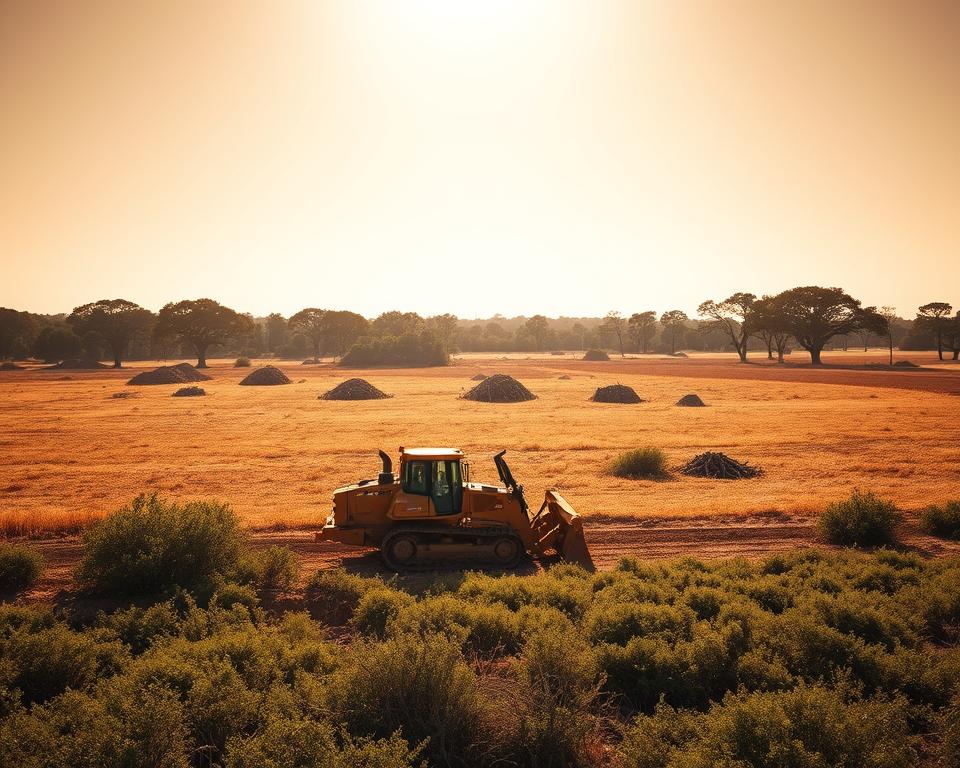
Mechanical clearing leverages heavy machinery, like bulldozers and excavators, for swift clearing of vast areas. It’s highly effective for commercial projects or when significant land changes are required.

Manual Clearing Techniques

Manual clearing employs hand tools for smaller areas or projects requiring careful handling. It minimizes environmental disruption, making it ideal for eco-sensitive zones. Workers use tools like saws and axes to meticulously remove vegetation, offering a detailed approach.

Forestry Mulching and Its Benefits

Silvicultural Mulching offers an eco-conscious alternative for land clearing. It grinds vegetation into mulch, which improves soil quality and suppresses weeds. The mulch acts as a natural ground cover, enhancing soil health and preventing erosion. This technique speeds up site preparation and limits regrowth by disrupting root systems.

Technique Description Best Use Cases
Mechanical Clearing Uses heavy machinery to clear large areas quickly. Extensive plots, commercial development.
Manual Clearing Involves hand tools for precision and minimal environmental impact. Eco-sensitive zones, smaller areas.
Forestry Mulching Grinds vegetation into mulch for soil enrichment. Site preparation, erosion control.

Steps Included in the Land Clearing Process

Knowing the various stages in the land clearing process is vital for effective management and successful project execution. Each step contributes to achieving a well-prepared site, allowing for safe and efficient development. Below are the key phases involved in this process.

Site Preparation and Evaluation

The first stage of land clearing involves comprehensive site preparation. Evaluating the land’s condition helps identify existing obstacles that must be removed. Professionals assess tree density, brush presence, and any environmental concerns during this phase. This meticulous planning is vital for outlining an effective strategy.

Tree and Brush Removal Strategies

Once site preparation is complete, teams implement multiple tree and brush removal strategies. Color-coding trees helps distinguish between those to keep and those to remove. Combining mechanical techniques with manual approaches ensures unwanted vegetation is removed while preserving desirable trees.

Stump Grinding and Disposal Methods

The final step involves stump grinding or complete stump removal. Professionals handle this task to ensure safety and minimize disruption to underground utilities. Stumps can be disposed of by hauling them away or, where permitted, burning on-site. Proper disposal guarantees compliance with environmental guidelines while keeping the area neat and ready for future development.

Land Clearing Costs and Budgeting

Understanding land clearing costs is essential for anyone embarking on a clearing project. Several factors affect these expenses, making budgeting crucial to avoid financial surprises. Knowing what contributes to these costs helps set realistic budgets and manage resources wisely.

Factors Influencing Land Clearing Costs

Several factors determine overall land clearing costs, including:

  • Size of the Area: Larger areas with dense vegetation require more time, labor, and equipment, increasing costs.
  • Type of Vegetation: Hardwoods and thick brush demand more effort and specialized machinery for removal.
  • Clearing Method: Mechanical methods involve heavy equipment that can elevate costs, while manual techniques may be more affordable but labor-intensive.
  • Disposal Options: Handling of cleared material—whether by burning, chipping, or hauling—adds to project expenses.

Budgeting for Land Clearing Projects

Accurate budgeting for land clearing projects is crucial. To ensure financial preparedness, individuals should:

  1. Estimate equipment rental and labor fees based on the chosen clearing method.
  2. Account for necessary permits and regulatory fees.
  3. Consider additional costs such as site restoration post-clearing.
  4. Include contingencies for unexpected challenges during the project.

Permit Requirements for Land Clearing in Texas

Understanding the rules for permits for land clearing in Texas is vital for any development project. Local laws dictate how and when land clearing can occur, focusing on environmental issues like soil erosion and habitat protection. Familiarity with these Texas regulations is crucial for compliance and avoiding legal trouble.

Understanding Local Regulations

Every municipality has its own set of rules for land clearing. These laws cover methods used and environmental impact. It’s essential to be familiar with these regulations to ensure land clearing compliance and protect local ecosystems.

Obtaining Necessary Permits

Before starting any land clearing, check if permits are required. Large-scale clearing often demands specific permissions from local authorities. Collaborating with contractors or local offices can streamline this process and ensure all regulatory requirements are met.

Choosing the Right Land Clearing Services

Finding the right land clearing services is critical to a project’s success. Evaluating various aspects during contractor selection can greatly impact efficiency and outcomes. The right contractor makes the process smoother, leading to superior results.

Qualities to Look for in a Contractor

When selecting land clearing services, focus on these qualities:

  • Licensing: Verify the contractor holds proper licenses for land clearing.
  • Insurance: Ensure they have insurance to cover damages or accidents.
  • Experience: Choose contractors with a proven track record.
  • Customer Service: Clear communication and prompt responses improve the experience.
  • Transparent Pricing: A reputable company provides detailed pricing to avoid surprises.

Reputation and Experience of Service Providers

Research a contractor’s reputation to gauge reliability and quality. Consider:

  • Online Reviews: Check Google and Yelp for customer feedback.
  • Testimonials: Look for success stories or case studies from past clients.
  • Referrals: Request recommendations from trusted sources in land clearing.
  • Local Understanding: Contractors familiar with local conditions better navigate regulations.

Safety Considerations in Land Clearing

Ensuring safety during land clearing operations is vital for both workers and the environment. Implementing robust safety practices creates a secure work environment and reduces risks from hazardous conditions. Workers need proper training and equipment to handle field challenges.

Safety Practices for Land Clearing Projects

Effective land clearing safety requires strict adherence to protocols, including:

  • Wearing personal protective equipment (PPE) such as helmets, gloves, and goggles to shield against flying debris.
  • Utilizing well-maintained machinery to mitigate accidents.
  • Conducting regular safety audits and training sessions to keep teams informed of hazards.
  • Establishing clear communication channels to ensure safety signals are promptly understood and acted upon.

Environmental Safety and Compliance

Integrating environmental safety into land clearing is crucial. Proper assessments help identify and minimize ecological impacts:

  • Conducting pre-clearing environmental assessments to preserve wildlife and habitats.
  • Adhering to local, state, and federal regulations to protect biodiversity.
  • Implementing erosion control measures to prevent soil degradation.
  • Utilizing sustainable practices for long-term ecological health.

Timing Your Land Clearing Project

Choosing the right time for land clearing in Texas is essential to success. Seasonal and weather factors greatly affect the project’s efficiency and outcome.

Best Seasons for Land Clearing in Texas

Winter is often the best season for land clearing in Texas. The ground is firmer, supporting heavy machinery better, and risks to local flora and fauna are minimized.

Weather Considerations Affecting Land Clearing

Rain or high humidity can soften the ground, hindering equipment performance. Scheduling based on local weather patterns improves efficiency and reduces complications.

Environmental Impact of Land Clearing

The environmental impact of land clearing extends beyond vegetation removal. Key considerations include preserving habitats and preventing soil erosion, both vital for ecological balance and land integrity.

Habitat Preservation During Clearing

Selective clearing strategies reduce environmental impact by preserving wildlife habitats. Eco-friendly machinery further helps minimize disturbance and promote biodiversity.

Soil Erosion Prevention Strategies

Preventing soil erosion involves techniques such as maintaining vegetation buffers around cleared areas and installing silt fences to trap sediment. These measures support sustainable land management and preserve soil fertility.

Bringing It All Together

Land clearing solutions are vital for successful Texas land development. Effective land preparation enhances property value and sets the stage for residential, commercial, or agricultural use.

Professional land clearing services guarantee compliance with local laws and boost efficiency. They tackle Texas’s unique challenges with customized approaches, promoting sustainability and environmental stewardship.

Whether you’re launching a new development or improving agricultural land, expert advice is invaluable. Informed land clearing decisions pave the way for thriving projects across Texas.
Lipan Farmer’s Experience with Professional Land Clearing

Boost Real Estate Appeal by Eradicating Underbrush

Did you know that more than 80% of wildfires are triggered by human actions? Overgrown vegetation significantly increases the danger. Clearing underbrush is vital for both estate visual appeal and safety. It also boosts practicality. By addressing this overlooked area, you can significantly transform your landscape and likely raise your property’s value. This article will delve into the necessity of land clearing near me, its benefits, efficient methods, and best professional services in the United States.

Essential Insights

  • Removing underbrush is key for property improvement and safety.
  • It aids in preventing wildfires and minimizes risks associated with overgrown vegetation.
  • Proper undergrowth clearing enhances the curb appeal of your property.
  • Brush control services can significantly increase property value.
  • Proper underbrush clearing can enhance land health and encourage biodiversity.
  • Professional services offer expertise that may be lacking in DIY projects.

The Value of Brush Clearing

Managing underbrush is essential for efficient land management and estate safety. Thick vegetation blocks access and impedes movement, making outdoor spaces less usable. This obstruction raises the risk of accidents, a concern in leisure areas or near structures.

Underbrush creates an environment for pests, posing threats to both plant and animal life. Regular maintenance minimizes these risks, fostering healthier ecosystems. Underbrush clearing benefits go beyond looks; it keeps land usable for farming, wildlife habitats, or recreational activities.

A property with excessive underbrush looks neglected, reducing its appeal and value. Focusing on removal enhances the landscape and contributes to environmental health. Unmanaged underbrush can fuel wildfires, endangering property and people at risk.

Benefits of Underbrush Removal

Managing underbrush offers numerous benefits to estate management and environmental health. It lowers fire risks and improves land health. It also boosts the visual charm of estates.

Fire Prevention and Risk Reduction

Thick underbrush is a serious fire hazard, especially in wildfire-prone areas. Removing it reduces fuel sources and minimizes wildfire risks. This protects structures and ensures a safer environment for people and wildlife.

Tx35

Improved Land Health and Biodiversity

Too much underbrush can smother native plants and upset ecosystem balance. By removing it, we allow native vegetation to receive more sunlight and nutrients. This leads to healthier land and encourages biodiversity, helping various species flourish.

Enhanced Aesthetic Appeal

A well-maintained property not only looks good but also increases its value. Removing underbrush reveals the natural beauty of the landscape. It creates an inviting space that enhances estate appeal and neighborhood pride.

Clearing Underbrush for Property Improvement

Clearing underbrush is a essential step in improving property value. It not only improves the look but also increases usable space. This makes it perfect for building, farming, or recreational activities. By removing unwanted plants, owners can open up areas for trails, gardens, or construction sites.

Implementing effective land enhancement techniques can turn neglected spots into vibrant, useful areas. Managing underbrush allows owners to increase their property value. This opens doors for development and better land use.

Brush removal offers many advantages: it makes the land more useful, supports biodiversity, and helps create healthy ecosystems. Owners can manage their land proactively, leading to sustainable and beautiful landscapes.

Common Tools for Underbrush Clearing

Choosing the right tools for underbrush clearing is crucial to efficiency. A range of tools is available, each suited for different vegetation types and land sizes. Below are some of the most efficient tools for brush removal.

Brush Cutters and Chainsaws

Brush cutters are designed for tackling thick brush. They come in manual, gas-powered, and electric models. Chainsaws are perfect for larger projects, cutting down small trees and thick underbrush. Always wear proper protective gear when using a chainsaw.

Machetes and Axes

Machetes and axes are great for smaller underbrush. These handheld tools are easy to carry, require no power, and are perfect for smaller jobs. They offer a simple way to clear land without heavy equipment.

Tractors with Brush Hogs

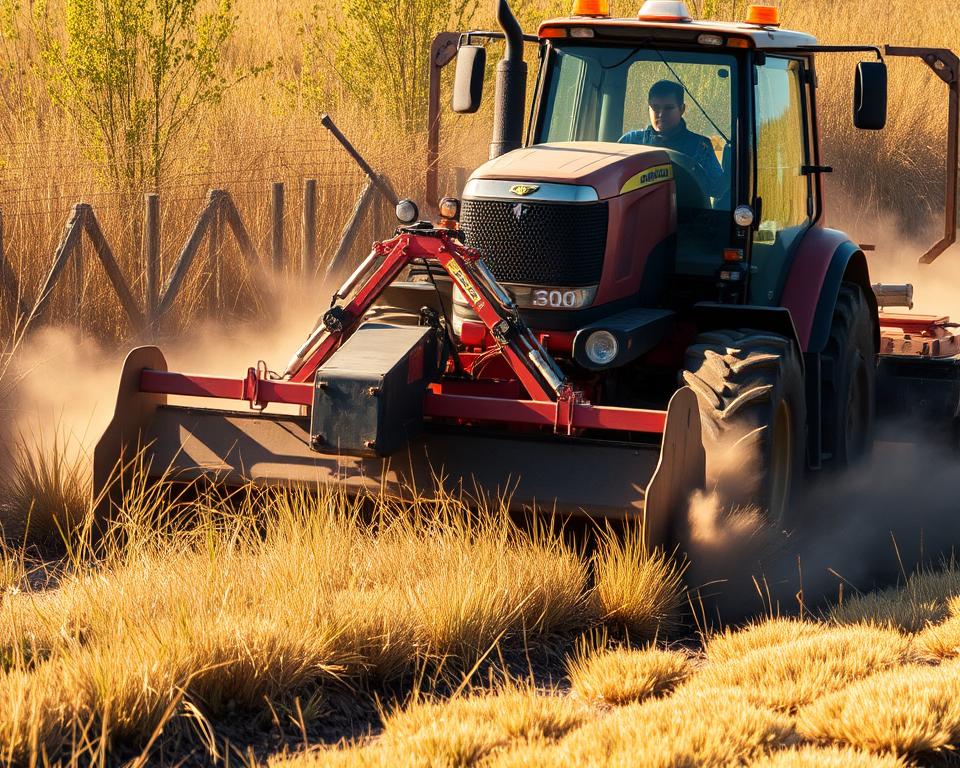
Tractors with brush hogs are perfect for vast properties. They provide a quick and effective solution for underbrush clearing. This equipment is highly effective in commercial projects, managing dense vegetation quickly.

Techniques for Effective Underbrush Clearing

Implementing effective land clearing strategies can significantly improve a property’s appearance and health. The right underbrush clearing techniques are crucial to an efficient and successful process. A structured approach ensures each step is doable and productive.

Planning and Assessment

A comprehensive evaluation of the area sets up the groundwork for efficient land clearing strategies. Identifying obstacles such as rocks, stumps, or protected plants helps concentrate on the most problematic vegetation. An organized plan prevents delays and promotes seamless execution during the clearing process.

Working in Manageable Sections

Breaking down large areas into smaller, more bite-sized sections simplifies the task. This method allows for consistent progress while reducing feelings of being overwhelmed. Each section can be tackled systematically, ensuring attention to detail is maintained throughout.

Utilizing Mulching Attachments

Incorporating machinery equipped with mulching attachments provides an innovative solution to clearing underbrush. These machines shred the cleared vegetation into smaller pieces that can decompose on-site. This simplifies disposal and enhances soil health by returning nutrients to the ground, benefiting future plant growth.

Environmental Considerations in Land Clearing

Understanding the environmental impact of land clearing is vital. Landowners must assess how their actions affect local wildlife habitats and soil health. It’s crucial to adopt sustainable land clearing methods that maintain ecological balance.

Minimizing machinery use during clearing can greatly diminish environmental harm. Manual techniques are often better for preserving ecosystems. Proper area assessment ensures compliance with conservation laws, safeguarding habitats for plants and animals.

Embracing sustainable land clearing practices supports the environment. These methods protect soil and ecosystems, promoting biodiversity. They also ensure a healthy environment for future generations.

Professional Land Clearing Services

Engaging professional land clearing services is vital for safety, efficiency, and adherence to local laws. Experienced contractors have the expertise and tools for complex tasks. Their training in best practices minimizes risks from heavy machinery and ensures efficient completion.

Hiring professional services delivers precise vegetation management techniques. These experts know how to manage underbrush while supporting eco-friendly practices and environmental standards. Their knowledge often leads to a better finish than DIY efforts, which might overlook safety and environmental measures.

By choosing seasoned professionals, property owners save time and ensure compliance with regional guidelines. Land clearing contractors use advanced equipment for faster and safer projects. Opting for professional services means a stress-free experience, with experts handling every detail.

Long-term Advantages of Underbrush Clearance

Managing underbrush offers notable long-term benefits, impacting both property value and the ecosystem. Understanding these advantages is key to successful landscape management.

Increased Property Value

Properties with regular maintenance and controlled underbrush are more attractive to buyers. Tidy landscapes enhance curb appeal, leading to higher market values. Buyers see well-maintained environments as a sign of care, making the property more desirable.

Better Wildlife Habitats

Underbrush clearance creates healthier habitat for wildlife. It supports beneficial species and deters pests and invasive plants. This fosters biodiversity, essential for a balanced ecosystem, benefiting both flora and fauna.

Pest Infestation Prevention

Clearing underbrush is vital for pest management. It removes hiding spots for rodents and insects, minimizing infestation risks. This approach reduces health risks and property damage, ensuring a safer living environment.

Comparing DIY vs. Professional Underbrush Clearing

Homeowners often weigh DIY clearing against professional services for land clearing. Each choice has its pros and cons. DIY clearing is attractive due to lower costs but demands effort and knowledge of the right techniques.

Without the right experience, DIY efforts can be slow and less effective. Professional services, on the other hand, provide expertise and the right tools. They know local laws, environmental impacts, and how to do the job efficiently.

This knowledge leads to quicker and more thorough results. While DIY might cut money upfront, professional services ensure the job is done right, using the proper methods and equipment, providing long-term benefits.

Maintaining Your Property Post-Clearing

Post-clearing maintenance is key to keeping your property looking pristine for years. After removing underbrush, it’s vital to regularly check for signs of regrowth. This early detection ensures your landscape remains safe and attractive.

Effective upkeep involves a organized plan for managing vegetation. Regular inspections and assessments are critical. They help you stay on top of your land’s health, allowing for quick action when needed. This might include trimming, spot-clearing, or replanting native species to enhance biodiversity.

“Creating a routine for post-clearing maintenance can greatly minimize the risk of underbrush returning. Here are some strategies to consider:

  • Perform seasonal inspections to monitor vegetation health.
  • Create a schedule for necessary maintenance tasks.
  • Engage local professionals or services for more extensive property upkeep.

Following these maintenance practices helps maintain your property’s beauty and functionality. It also prevents problems caused by neglect. Prioritizing post-clearing maintenance leads to a long-lasting environment and a more enjoyable space for everyone.

Importance of Regular Vegetation Management

Regular vegetation management matters most for keeping the benefits of brush removal. By adopting efficient strategies, property upkeep becomes a long-term investment. Regular checks and timely actions can stop unwanted plants from growing back too fast.

Landowners can lay a solid foundation for success by taking proactive steps that balance aesthetics with ecological balance. Regular maintenance not only promotes a healthy environment but also improves land usability, encouraging the growth of healthy plants, boosting biodiversity, and maintaining a attractive landscape.

By focusing on regular vegetation management, property owners can maximize their land’s value. A consistent routine of monitoring and re-clearing ensures the land remains both appealing and ecologically sound.

Wrapping It Up

Clearing underbrush is essential for property maintenance, boosting safety, aesthetics, and usability. Whether you address it yourself or hire pros, your land’s full value can be realized. Regular underbrush management creates a safer, more beautiful space.

By embracing underbrush clearing practices, property owners experience lasting benefits: higher property values, improved ecological health, and enhanced community safety. It’s a preventive measure that preserves the environment and supports wildlife.

Underbrush clearing is more than a cosmetic choice; it’s a key strategy for maintaining your property’s value and usability. Embracing these practices promotes ecological sustainability and a brighter future for your land and community.