Modern Septic System Replacement Options
Could replacing your septic tank be the wisest step for your home before an expensive failure leaves you no choice? Many suburban and rural homeowners depend on septic systems, yet they often ignore septic tank replacement until a backup or soggy patch shows up. According to EPA and public-health guidance, the starting point is simply determining whether the property uses a septic system by looking for well water, the absence of a city water meter, or as-built plans from the seller or local health department.
Replace Damaged Septic Tanks Near You
Your septic tank is an underground, watertight container that divides solids from wastewater. Routine septic tank maintenance such as scheduled inspections and pumping helps keep the system working for many years. When these basic tasks are skipped, a repair that might have been manageable often becomes a full residential septic tank replacement with greater disruption and a far higher septic tank installation cost.
This guide outlines when replacement is necessary, what septic system installation options are available, and how to compare septic tank installation cost with long-term value. Good records of inspections, pumping, and repairs help protect your investment and can make future real estate transactions easier.
When It Is Time To Consider Septic Tank Replacement
Understanding when a septic tank should be replaced is important for both your property and the environment. Look out for common warning signs and follow regular inspection schedules. Septic tank experts and local health authorities consistently advise fast action to reduce the risk of costly repairs and public-health concerns.
Signs Of A Failing Septic System
Sluggish drains, recurring backups, and gurgling pipes often point to stress within the system. Noticeable sewage odors indoors or outdoors can indicate leaks, vent problems, or both. Standing water or soggy ground over the drainfield and unusually lush grass above it also suggest the system is not treating effluent correctly.
A repeated need for pumping or obvious tank damage, including cracks or a failing lid, usually points toward replacement. Instead of postponing action, these signs should trigger immediate contact with septic tank experts for a thorough inspection and evaluation.
Inspection Triggers And Recommended Timelines
Inspectors typically use as-built plans, inspection caps, and pumping records when locating and evaluating tanks. Most septic systems should receive a professional inspection every three years. If the system has pumps, floats, or similar mechanical parts, annual checks are usually recommended.
Inspectors check sludge and scum levels to determine whether pumping or replacement is necessary. In many cases, pumping is recommended when the scum layer comes within 6 inches of the outlet tee or the sludge layer rises within 12 inches of the outlet. Inspection findings should help you decide whether septic tank repair, partial work, or full replacement by septic system replacement specialists makes the most sense.
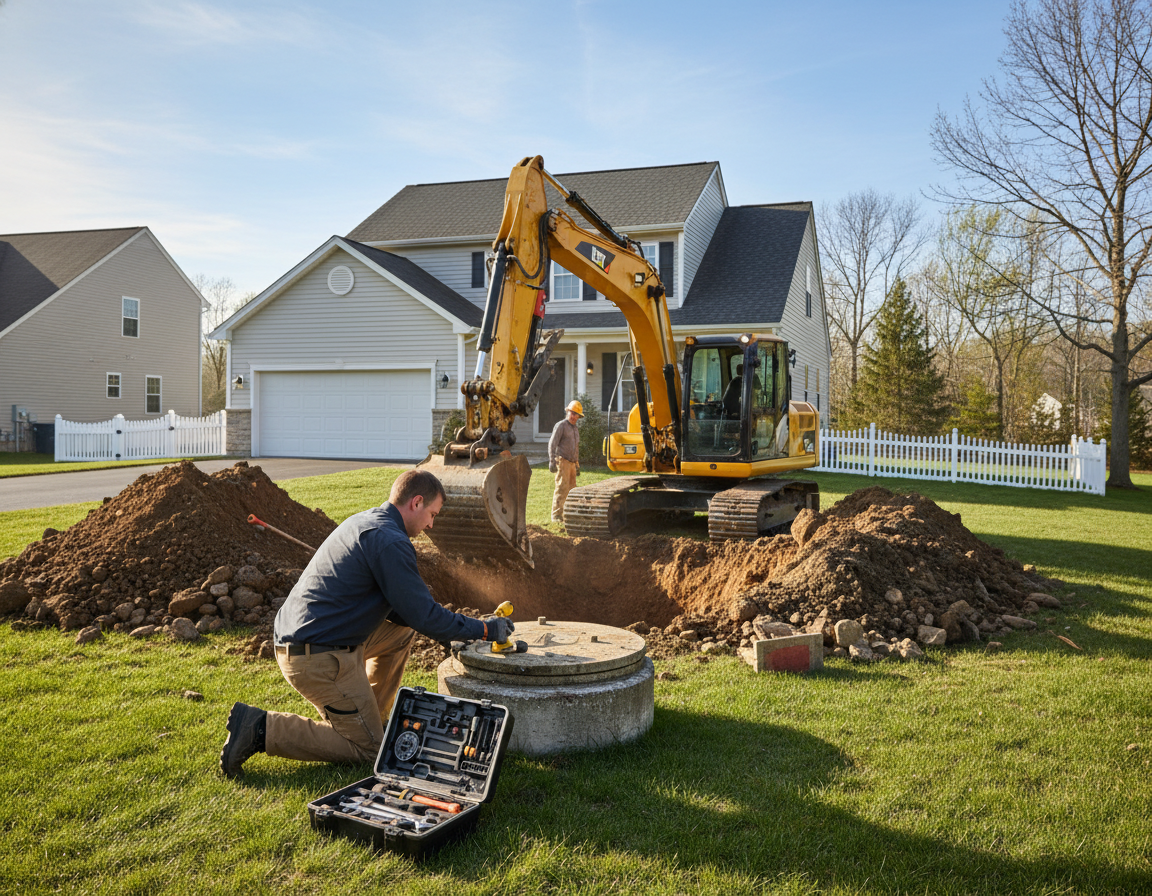
Environmental And Public Health Considerations
Failing systems can contaminate groundwater and private wells. Pathogens from untreated sewage raise the risk of gastrointestinal illness and other diseases. Nutrient runoff from failing systems can also add to nitrate pollution and algal blooms in nearby water bodies.
Local health authorities may require repairs or replacement to protect public health. Delaying replacement of a failing system can expose homeowners to health hazards, reduce property value, and complicate future real estate transactions. When replacement is necessary, many choose to replace an old septic system in la or replace failing septic systems in la with guidance from licensed septic system replacement specialists and trusted septic tank repair teams.
| Visible Issue | Typical Cause | Suggested Action |
|---|---|---|
| Slow drainage and pipe gurgling | Partial blockage or full tank | Schedule inspection and possible pumping by septic tank experts |
| Indoor or outdoor sewage odor | Blocked vent, pipe failure, or tank leakage | Immediate evaluation and focused septic tank repair |
| Wet drainfield and lush grass | Saturation or failure of the drainfield | Inspect the drainfield and consider replace failing septic systems in la when damage is present |
| Cracks or visible collapse | Structural failure of tank | Use licensed septic system replacement specialists to replace an old septic system in la |
| Repeated need for pumping | High solids accumulation or improper maintenance | Review maintenance plan, repair or replace as recommended |
Septic Tank Replacement: Modern Options, Systems, And Choices
Choosing the right path for septic tank replacement begins with understanding the options and developing a site-specific plan. There is a wide range of choices, including minor upgrades and full system replacement. Some replacement projects involve replacing both the tank and the drainfield. Early consultation with septic system experts is key to aligning the system with soil, terrain, and local regulations.
Types Of Replacement Solutions
Minor fixes can include risers, baffles, and screens to extend system life with minimal disruption. Full replacement is usually required when there is major damage or severe soil failure. This involves removing the old tank and installing a new drainfield sized for current household needs.
If standard trenches are not practical, alternative systems such as aerobic treatment units, sand filters, chamber systems, and constructed wetlands can provide effective treatment. These newer systems often rely on pumps, alarms, and control devices, so they require regular maintenance inspections.
Material And Tank Types
Concrete tanks remain popular because they are durable and long-lasting. By comparison, fiberglass and polyethylene tanks resist corrosion and weigh less, so installation is often easier. Each material has advantages and drawbacks, because lightweight tanks can float in high groundwater while concrete may require heavier installation equipment.
Ground-level risers and inspection lids make maintenance simpler and can reduce future service costs. These features are commonly included in full septic system replacements because they support long-term performance.
Soil And Site Considerations
Two of the most important factors in drainfield design are soil percolation and the depth of groundwater. If the soil is sandy and drains well, standard leach lines may be appropriate. Clay soils or high water tables may require alternative treatment or mound systems to protect nearby wells and waterways.
Many local permit systems require the property to reserve space for a future drainfield area. Septic system overhaul services need to document that reserve area and comply with county health department rules. Consulting septic system experts familiar with local regulations can accelerate approvals and help tailor the system to the site.
Replacement Cost Expectations And Budgeting
Septic replacement often feels overwhelming when cost expectations are not clear. Regular inspection and pumping help keep expenses low, but a complete replacement may still cost thousands or tens of thousands of dollars based on the site conditions and the type of system chosen.
Typical Pricing Factors And Cost Ranges
Base prices are strongly influenced by tank size and tank material. Concrete and polyethylene tanks differ in cost and lifespan. Drainfield design and soil work can create major price differences.
Costs often rise when the project requires excavation, engineered media, or imported fill. How easy it is to reach the site also affects pricing. If the site has narrow driveways or protected landscaping, special equipment may be needed and the quote may rise.
Pumps, aerators, and reserve drainfield requirements can push the price higher. You should also expect permitting fees, health-department review costs, and inspection charges on most replacement invoices.
Comparing Repair Costs With Long-Term Value
Frequent repairs usually suggest a larger underlying problem. A replacement system may reduce future service calls and emergency expenses when the existing system is too old or too small. Over time, a properly designed replacement system often brings fewer failures and lower maintenance costs.
It is wise for homeowners to weigh the initial septic system installation cost against likely future repair cycles. In many cases, putting money into a modern system delivers better long-term value than paying repeated repair bills.
Financing, Permits, And Incentives
In some areas, local health departments or municipal programs may provide grants or low-interest loans. Those programs can sometimes support septic tank upgrade services los angeles and other local upgrades. Documented inspection and pumping records may improve eligibility for assistance.
Homeowners should budget for permitting fees and contingency funds for weather delays or unexpected subsurface conditions. Compare estimates from reputable septic tank replacement companies. The best affordable septic tank replacement services usually present a detailed scope of work and itemized pricing.
When planning financing, use a simple checklist that includes getting multiple bids, confirming permit schedules, asking about phased payments, and looking for available incentives. This helps protect the budget during septic system installation and replacement projects.
Finding Replacement Specialists And Hiring The Right Professionals
Securing the right team for a full septic system replacement requires a detailed checklist. You should confirm that the contractor is licensed, insured, and familiar with local permit requirements. A skilled professional will assess the system, open access points, measure levels, inspect components, and provide a detailed report.
When reviewing bids, focus carefully on the proposed scope, the excavation plan, and the materials to be used. You should also request the timeline, cleanup plan, and warranty information in writing. It also helps to ask for references and records of previous full system replacements so you can evaluate quality and after-sales support.
How To Choose Licensed Septic Replacement Contractors
Make sure the contractor has the required state and local licenses as well as proper insurance. You should also confirm that permits are handled and that the company coordinates with the health department. They should document inspections, pumping, and repairs in service reports for future reference.
How To Compare Professional Septic Replacement Services
When comparing providers, review quotes for concrete, fiberglass, and polyethylene systems together with drainfield options and excavation plans. Prioritize companies that provide a detailed cleanup plan and warranties covering both labor and materials.
Local Search And Emergency Options
In Los Angeles, use targeted search terms such as septic tank replacement near los angeles. It is best to choose companies that provide emergency service and can move quickly when backups or surface sewage appear. Responding quickly is critical when health hazards and property damage are possible.
Local Example Of A Trusted Provider
Septic Services of LA is a trusted provider in Los Angeles that offers professional septic replacement services and upgrades. If you reach out, ask for inspection records, experience with full system replacement, and proof of licensing. It is also wise to ask about insurance coverage, local references, warranties, post-installation support, and emergency availability.
How To Prepare For Replacement And Handle Post-Installation Care
Start by gathering as-built drawings, locating inspection ports, and identifying system components. That information helps contractors plan more effectively and avoid unnecessary surprises. If the site is difficult to reach, it may help to add risers and prepare a clear path for heavy equipment. You should also protect landscaping and notify neighbors if easements or driveways may be affected.
Before work begins, secure the necessary permits from the county health department. It is wise to expect temporary water restrictions while excavation is underway. The project usually moves through site evaluation, soil testing, permitting, excavation, tank installation, and final completion steps. Project timing depends heavily on the weather, the soil, and any hidden underground conditions that are discovered. The best tank material choice depends on local code requirements, site conditions, and the warranties offered by the septic service provider.
After installation, put a maintenance routine in place immediately. Conventional systems are typically inspected every three years and pumped every three to five years, while alternative systems may require more frequent service. You should keep detailed records of inspections, pumping, repairs, and permits. Check the contractor warranty carefully and schedule any post-installation inspection required by the local authority.
Adopt strong septic tank maintenance habits to extend the life of the replacement system. Conserve water, avoid flushing harmful items, and keep roof runoff and vehicles away from the drainfield. Keep emergency service contacts available and identify local providers for routine or urgent service. These steps reduce the risk of early failure and help make septic tank replacement a worthwhile long-term investment.
Related: Hiring For Septic Pumping Palmdale