April 8, 2026

Bathroom Remodeling in Maple Valley for Creative Spaces

Embarking on a bathroom remodel can seem daunting, but with a solid plan, it becomes achievable. This guide explains the steps commonly followed by both homeowners and professionals across the United States. You’ll learn how to define the project scope, set a budget, and organize the work from demolition through the final hookups.

Discover How to Remodel a Bathroom in Maple Valley
You should plan for unexpected issues, including delayed glass enclosures, concealed rot under the floor, and changes that impact plumbing or electrical work. Choosing the right materials and brands is a major part of the process. Products like Schluter® tile trim, RedGard waterproofing membrane, Hansgrohe faucets, and Woodbridge toilets are worth considering during selection.

Before contacting contractors, sketch out your ideal layout. Make long-lead purchases like vanities and specialty stone a priority. Also, plan for a temporary shower or toilet. For those who prefer a contractor-managed approach, Renovate Builders offers oversight to minimize costly rework and structural surprises.

Main Takeaways

  • Start with a clear scope to guide the bathroom renovation and avoid scope creep.
  • Prioritize long-lead purchases—vanities, glass, and specialty stone—early in the bathroom makeover.
  • Keep the workflow organized: demolition → rough-ins → finishes → final connections.
  • Be alert for hidden damage during demolition, and leave contingency in the budget.
  • Select proven brands such as Hansgrohe and Schluter® for dependable fixtures and systems.

Planning Your Bathroom Renovation: Goals, Budget, And Schedule

Before you begin, it is important to have a clear plan in place. Define the desired ambiance and functionality of your bathroom. Collect images of designs that resonate with you, focusing on finishes, storage, and accessibility. Determine if you’re aiming for a complete overhaul, a spa-like transformation, or a simple update with new vanity and paint.

Sketch a basic layout to assess feasibility. Those early sketches help contractors spot structural limits, plumbing needs, and joist strength for heavier fixtures like a soaking tub. Older homes may present challenges like uneven floors and sloped ceilings, affecting both time and budget. Give your contractor the plans and measurements so they can prepare a more realistic estimate.

Build a budget that includes an extra 10–20 percent for unexpected costs. Identify major cost factors such as plumbing rework, tile, custom stone, and glass enclosures. To create a rough estimate, compare similar homes and account for labor rates in your area.

Order essential items like vanities, glass shower doors, and specialty stone early to avoid delays. Custom glass and stone often come with wait times that stretch for weeks. Planning ahead helps keep the timeline tighter and costs more controlled.

Build a timeline with clear milestones, including demolition, rough-ins, insulation and drywall, tile and glazing, and the final installs. Inspections should be timed carefully because they often must occur before insulation and drywall are installed. Include buffer days for deliveries and permit approvals.

Think through temporary living arrangements while the renovation is underway. Consider using a neighbor’s shower, setting up a temporary shower, or working in phases to maintain access to one bathroom. Discussing this with your contractor can help optimize the order of work and reduce disruption.

Seeing tile samples and grout options in person at places like Fitzgerald Tile can make decision-making easier. You can also visit salvage yards and stone yards to look for leftover materials that may help cut expenses. Doing this research supports your design vision while helping keep spending under control.

With clear goals, budget, and timeline, you provide direction to all trades. This clarity minimizes surprises, allows efficient scheduling, and keeps your project on track toward your desired bathroom design.
Maple Valley Bathroom Remodeling Experts

How To Remodel A Bathroom

Start by walking the space with a tape measure and marked photos. Pay attention to plumbing lines, electrical paths, door swings, ceiling slopes, and natural light points like skylights. That simple survey gives you a clearer understanding before you make decisions or request bids.

Evaluate The Existing Layout And Feasibility

Take measurements between fixtures and capture photos from multiple viewpoints. Confirm where the supply and drain lines run behind the walls and below the floor. If you plan major moves—tub to shower or relocating a vanity—have a contractor assess plumbing access and structural support.

Check for concealed problems like mold, rot, or joist issues that may change the cost and schedule. In compact bathrooms, plumbing stacks and venting can restrict what can realistically be moved. Confirm what can move without costly rerouting.

Choose What To Keep, Replace, Or Move

Leave items in place when the cost to move them outweighs the benefit. In many remodels, leaving the toilet and vanity where they are saves time and money.

Swap out fixtures that are outdated, damaged, or inefficient. Newer low-flow fixtures and efficient toilets can lower utility costs and make the bathroom more appealing.

Reposition only after a contractor confirms plumbing and electrical feasibility. One realistic example is replacing a tub with a walk-in shower and adding cabinetry over a stacked washer/dryer to free up floor area, while leaving the vanity and toilet where they are to avoid relocation expense.

Choose Between DIY And Hiring Professionals

Decide tasks you can handle safely and those that need a pro. Doing some of the work yourself can save money on demo, paint, and basic installs. A moderate DIY project may take a month or more, so plan time accordingly and budget for debris removal.

Professional help is best for plumbing, electrical, structural changes, complex tile installation, and permit-related work. Good plumbers and tilers often save money by preventing mistakes and redo work. Large-format tile installation and wet-area waterproofing require both accuracy and experience.

If you opt to DIY, gather safety gear, caulking guns, drills, saws, shop vacs, and consider renting a wet-dry vac or tile cutter. Set a firm scope and schedule so scope creep does not derail the bathroom remodeling process.

Project Decision Point DIY Suitable Professional Help Recommended
Demo and debris removal Yes—if safety equipment and debris disposal are already planned No—hire for large structural teardown
Moving plumbing lines No—only simple fixture replacement is appropriate for DIY Yes—this needs permits and code-compliant work
Electrical upgrades No—DIY is not advised for new outlets or circuit work Yes—a licensed electrician is recommended for safety and inspection
Tile work Yes—for smaller and simpler layouts Yes—for large-format, wet areas, and complex patterns
Painting and trim work Yes—usually a standard DIY-friendly task No—except when specialty finishes or detailed millwork are involved
Small bathroom remodel tips Consider wall-mounted fixtures and floating vanities Ask professionals to handle shower conversions and waterproofing

Demolition And Preparing The Space

Begin demolition carefully, with safety and organization as priorities. First, turn off the water, drain the lines, and remove the toilet so spills are avoided. Wear protective gear like a respirator, gloves, and goggles. A reciprocating saw can help make precise cuts near insulated areas.

Rent a dumpster that fits the demolition debris to maintain a clean site.

Remove fixtures, vanities, mirrors, and flooring in a systematic order. Before removing anything, document the room with measurements and photos. This ensures accurate fitting later. Use drop cloths and dust barriers to protect adjacent rooms and floors, reducing cleanup and dust spread.

Safe Demolition Practices

Begin by isolating utilities and capping lines. Remove the toilet and vanity first to clear the area. Avoid aggressive hammering into insulated walls; instead, cut around studs and fasteners when feasible. Bag and label any salvageable fixtures so reinstallation is easier later.

Check For And Repair Hidden Damage

After removing finishes, inspect for rot, mold, and water damage behind tile and under subfloors. Soft spots in the subfloor may require replacement. Because large-format tile needs a flatter base, use cement board or self-leveling compound where required.

If framing or structural members are damaged, consult a structural contractor or licensed engineer. Fixing studs and headers early helps keep the project moving and avoids delays later during finish work.

Permit Workflow And Inspector Coordination

Secure permits for plumbing, electrical, or structural changes before starting rough-in work. Plan inspections before insulation and drywall so the rough-ins can be approved on time. Stay in communication with inspectors so delays do not hold up the finish stage.

An experienced contractor can often take over permit submissions and inspector scheduling for you. Local code knowledge usually helps a contractor move approvals along and keep the remodel progressing.

Plan for temporary needs during the renovation. Try to keep at least one bathroom available in the house or nearby. Temporary solutions can range from a neighboring house to a portable unit during the most disruptive phases.

Use these practices to reduce risk, protect the timeline, and support accurate inspections and repairs. Careful demolition and preparation can save both time and money, making the entire project smoother from rough-ins through finishing.

Plumbing, Electrical, And Structural Rough-Ins

Before walls are built and tile is laid, plumbing, electrical, and structural rough-ins must be completed. They set the foundation for the layout, budget, and schedule of the bathroom renovation. They are essential to the project’s overall success.

Plumbing Planning And Layout Impact

Choosing the right fixtures is essential. Choices such as wall-mounted or deck-mounted faucets and single or double vanities affect valve and water-line placement. Adding a shower or replacing a tub with a walk-in shower requires precise drain positioning and slope checks.

Installing a soaking tub necessitates verifying joist capacity. A structural engineer or a licensed contractor may suggest reinforcement or beam replacement to support the tub’s weight.

Electrical Planning And Lighting Upgrades

Allow for extra circuits if you are adding fixtures, fans, or heated elements. Consider smart controls like Lutron Caséta switches or voice assistants like Echo Dot for convenience and energy efficiency.

Conveniently located vanity outlets make the room more functional. Set up separate lighting zones for task, ambient, and accent needs so you avoid glare and shadowy areas. Electrical work should always be handled by a licensed electrician, with inspections completed before wall closure.

Structural Work And Subfloor Preparation

Make sure the subfloor is properly level. Large-format tile needs a particularly flat surface to perform well. You might need two layers of cement board or a self-leveling compound to avoid lippage.

Any damaged subfloor areas should be replaced, and thresholds should be sealed against water intrusion. Use the proper slopes and finishes so stone surfaces such as quartz countertops are protected from water exposure and etching.

Sequence the work carefully by completing plumbing and electrical rough-ins first, then getting inspections approved. Proceed with insulation, drywall, and tile work. Buy the vanity early so the plumbing rough-ins line up with the countertop cut-outs and fixture locations.

Finishes: Tile, Waterproofing, Paint, And Final Fixtures

Finish selections play a big role in both appearance and function. Begin the finish stage by choosing tile in person rather than only online. Look at the tile under real light, test its intended orientation, and compare grout colors with Schluter® trim options. Suppliers like Fitzgerald Tile can help match grout color and trim for a cohesive look.

Tile installation requires careful planning. Prepare the substrate, ensuring it’s level and dry. Use cement board in areas that require a stronger tile base. Consistent thin-set mixing and laser-level checks improve installation accuracy. Employ spacers or leveling clips for uniform joints. Two installers are often the safer choice when handling large tile because control matters more.

Waterproofing is essential for long-term performance. A pan liner beneath the shower-floor mortar and the correct slope to the drain are both essential. Wall protection should include cement board and a liquid membrane like RedGard. Set the shower controls where users can reach them without stepping into cold water. Custom glass should be measured early since its lead time may extend the entire project.

Paint and trim help complete the room once the tile phase is done. Choose semi-gloss paint or other moisture-resistant options. Try small paint samples from stores like Lowe’s before committing. Consider Sherwin-Williams Snowbound for a bright field and a darker trim for contrast. Choose tile edge trim like Schluter for clean reveals, or use quarter round or baseboard where tile meets painted surfaces.

Choose fixtures that fit both the design and the rough-in conditions. Confirm that Hansgrohe faucets and shower systems match the rough-in positions. Measure carefully and review the spec sheets before ordering. Woodbridge is one example of a toilet brand often considered reliable. Leftover slabs from Mass Granite or local stone yards can be useful for saving money on thresholds and sills.

Useful bathroom renovation reminders include coordinating grout and trim when choosing tile, completing waterproofing ahead of finish work, and confirming dimensions for fixtures early. Following those steps can reduce callbacks during the makeover and support smarter design decisions that last.

Installing Cabinets, Hardware, And Final Hookups

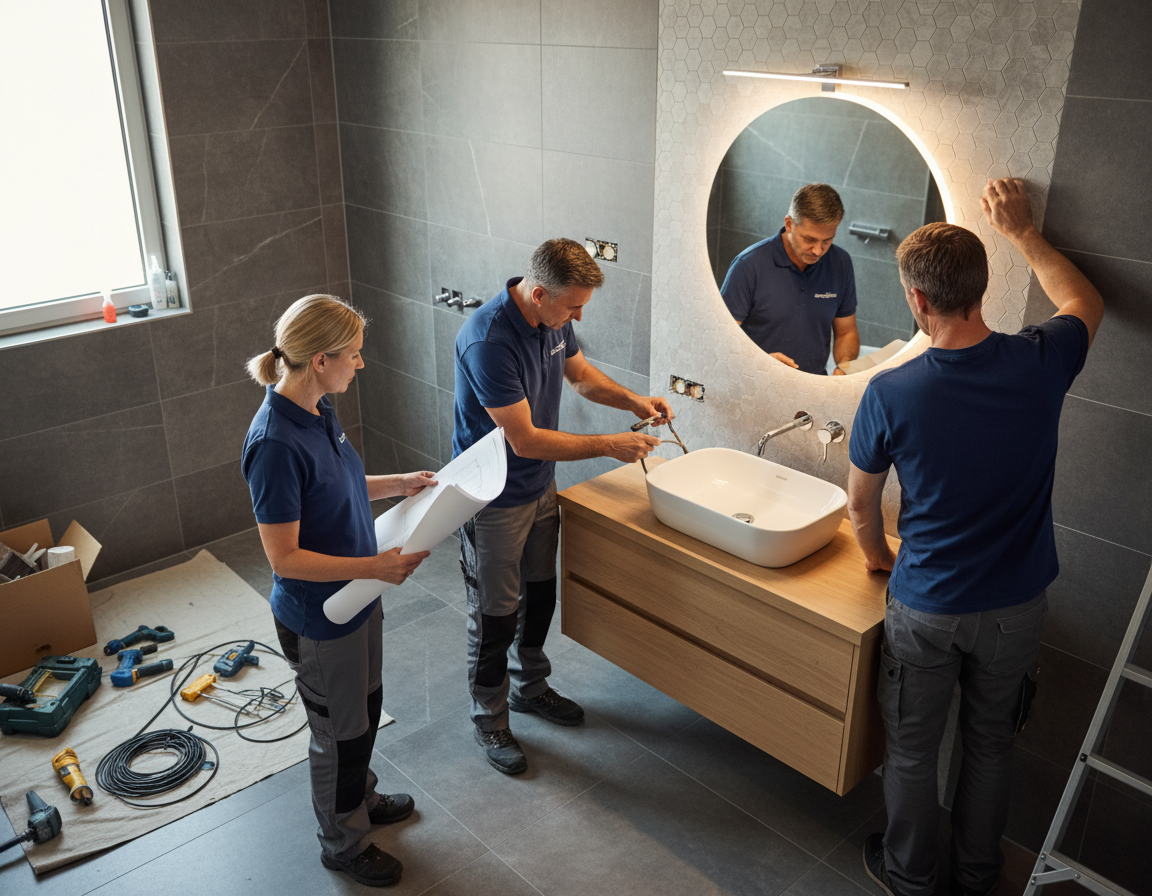
The finish stage is the last major phase of the bathroom makeover. This stage includes installing the vanity, placing countertops, fitting storage pieces, and completing the final plumbing and electrical connections. It’s essential to plan the sequence to ensure plumbers and electricians can complete their work before you start installing cabinets and surfaces.

Install the vanity early enough that plumbers can still make piping adjustments. Verify that wall-mounted faucet locations are properly aligned. Measure for sink configurations and wall clearances. Use preselected quartz or stone slabs for the countertop and confirm the slope so water will not pool or etch the surface.

Cabinet frames should be level and anchored firmly into studs during installation. If this is a DIY install, dry-fit the drawers and doors before securing everything permanently. A bathroom renovation contractor can expedite this process and avoid costly errors.

Install storage that suits both your needs and the room’s size. Consider built-ins, floating shelves, or over-washer cabinetry to maximize space. Coordinate mirrors and medicine cabinets, like the Pillar-30 by Blossom, for a cohesive look. Add smart elements, such as Lutron Caséta switches and Echo Dot speakers, for integrated controls.

Install fixtures and glass after tile, trim, and flooring have cured. Plan glass installation after grout and trim are fully completed. Since custom glass may take time, be ready with a temporary shower plan if necessary.

Install shower doors, seals, and grab bars carefully so leaks are avoided. Where required, use sealed fasteners and follow the manufacturer’s torque specs. Check that sliding or swinging doors operate smoothly and have even clearances.

Grout fills gaps after tile work and should be sealed when specified. Use color-matched grout for seamless visuals. Seal every joint between tile, trim, and fixtures with the correct silicone caulk to stop water intrusion.

Allow full cure times before exposing surfaces to water. Read the product directions for grout sealer and silicone cure times so the finishes and warranties stay protected.

Walk through the space with your contractor to create a punch list of touch-ups such as grout correction, paint spots, or trim alignment. Arrange final plumbing and electrical inspections and obtain sign-offs before you move in.

Confirm warranties for fixtures and workmanship, and collect maintenance tips for quartz and grout care. To finish the makeover, add details like bath rugs, greenery such as a peace lily, and coordinated accessories from retailers like Crate & Barrel, Amazon, or Wayfair.

Final Thoughts

Starting a bathroom remodel successfully depends on clear planning and a practical design. Begin by setting goals and sketching layouts before purchasing materials. Build a budget that includes extra room for unexpected costs. Making style and scope decisions early helps streamline the project and improves cost estimating.

Check feasibility and permit requirements before you start demolition. During teardown, inspect hidden systems and prepare for plumbing, electrical, and structural rough-ins. Working with experienced professionals—such as a licensed contractor or a company like Renovate Builders—can reduce costly mistakes. This ensures that trades like tilers and structural crews adhere to codes and inspector requirements.

Focus on durable finishes and timing. Order long-lead items, like vanities, custom stone, and glass, well in advance to avoid delays. Lasting performance depends on prioritizing waterproofing, precise tile prep, and proper sealing. Sequence work effectively: start with demolition and inspections, then rough-ins, followed by waterproofing and tile, and conclude with final installs and inspections.

Use these steps as a framework for planning your budget and schedule. Visit showrooms to select materials in person and consult a licensed contractor for permit needs and structural assessments. By following this process, you improve your chances of completing a bathroom that is cost-conscious, safe, functional, and visually appealing.

Water Damage In LA Mold Inspection Services

Is it possible that unseen spores are secretly affecting your health and your home value without any obvious warning? Many residents across the vibrant Los Angeles metro area face hidden moisture issues that trigger fungal growth. These problems often remain unseen behind walls, beneath flooring, or inside structural cavities for years.

Learn More About LA Mold Testing Services
At Water Damage in L.A. (www.waterdamageinla.com), professional mold inspection services help reveal the dangers that may be hiding in your property. Specialized inspectors use modern equipment and evidence-based techniques to find environmental concerns that are easy to overlook with the naked eye. They work under strict industry standards to make sure each investigation is comprehensive, unbiased, and accurate.

A professional mold assessment goes well beyond the kind of basic inspection found in a routine house check. Our services cover air quality analysis, moisture-related investigation, and laboratory testing for your property. This level of specialized expertise is essential for finding contamination that general contractors might miss during a basic visit.

Choosing a professional mold inspection provides your family with peace of mind and dependable information. By using a science-based approach, you get accurate information about whether mold remediation may be necessary. Protecting your indoor environment helps preserve both your health and your long-term real estate investment.

Main Takeaways

  • Specialized investigations identify hidden fungal growth risks before they become larger problems.
  • Modern equipment uncovers moisture problems that visual inspections may overlook.
  • Professional testing supports safer, healthier indoor air conditions.
  • Evidence-based assessments create unbiased laboratory findings.
  • Specialized assessments can help protect your property’s value.
  • Accurate data makes it easier to choose informed next steps regarding remediation.

Why Certified Mold Inspectors Matter In Los Angeles

Selecting a certified professional helps protect your family from hidden environmental hazards within your living space. Properties across Los Angeles commonly experience moisture issues that can contribute to mold growth. Hiring an expert for a complete mold assessment helps uncover hidden issues before they become major problems.

Protecting Family Health Through Proper Inspection

Fungal spores can pose serious health risks to everyone in the home. The danger is often highest for people who already struggle with respiratory issues, allergies, or weakened immune defenses. Poor indoor air can affect children, seniors, and other vulnerable family members more intensely than others.

Exposure may lead to asthma attacks, constant coughing, irritation, and lingering discomfort. Scheduling a professional inspection helps uncover allergens that may be affecting your quality of life. Expert detection helps keep loved ones breathing cleaner air while supporting a more health-focused indoor environment.

Mold Inspection And Testing In Los Angeles

Preserving The Value Of Your Property

Leaving mold untreated can cause severe structural deterioration over time. Over time, it can affect wood, insulation, drywall, and other important building materials. Damage of this kind can reduce your property value and make real estate transactions more difficult.

Prompt action helps keep a small leak from turning into a large remediation bill. Certified inspectors locate moisture sources that remain hidden from casual observation. Protecting your property right away can spare you from larger repair bills and major disruption later on. A dry environment remains one of the strongest defenses against the spread of mold and helps preserve a safer, more stable house.

What Certification Changes

When you receive a certified inspection, you are working with a professional who has passed demanding exams and follows a firm code of ethics. These experts understand moisture dynamics, indoor contamination patterns, and modern detection technologies at a deeper level. They offer objective evaluations without the conflicts of interest that can appear when the same company also sells remediation work.

This level of expertise gives homeowners meaningful peace of mind when conditions are stressful. You should be able to rely on a professional who continues learning, gains field experience, and maintains high standards. Certification helps ensure you receive accurate results that truly protect your family and property.

Water Damage In L.A. As Your Certified Mold Inspection Experts

Water Damage in L.A. stands out as a premier company for those seeking professional clarity about indoor air quality. We provide a trusted mold inspection service throughout the greater Los Angeles region for residents dealing with moisture concerns. Our mission is to deliver peace of mind through accurate detection, clear analysis, and honest reporting.

Proven Expertise From Certified Mold Inspectors

Our team includes highly trained specialists who carry some of the industry’s most respected credentials. Every inspector on our staff maintains a Certified Mold Inspector credential or an equivalent level of advanced training. Active memberships in groups such as ACAC, IAQA, and NORMI help us stay informed on current safety guidance and industry standards.

These inspectors bring years of practical experience to every property evaluation. Because they have completed thousands of investigations, they are skilled at spotting hidden mold growth that others may overlook. That depth of knowledge allows us to identify the moisture patterns and contamination issues affecting your home environment.

Science-Based Testing And Analysis

We believe true accuracy demands more than a simple visual review of walls, floors, and surfaces. Our company uses a science-based process that relies on laboratory-grade analysis and reliable field data. By using advanced testing methods, we can measure spore counts and identify the specific contaminants present in indoor air.

Our protocols rely on professional-grade equipment and standardized sampling methods to produce dependable data. This rigorous testing process removes guesswork from the assessment and replaces it with measurable evidence. By blending practical experience with evidence-based testing, we create a clearer picture of indoor mold conditions.

Helping Los Angeles Homes Since Day One

The company has spent more than 20 years serving the local community with specialized inspection services. We tailor our services to the moisture patterns and environmental factors commonly seen across Los Angeles. We understand how the Southern California climate and local construction practices can affect your property.

Our long history in the greater Los Angeles area has helped us refine our mold inspection methods over many years. We take pride in helping protect families from the risks associated with hidden mold growth. Our long-standing reputation reflects a deep commitment to professional integrity, careful analysis, and dependable service.

Detailed Mold Inspection And Testing Services

A strong property-protection plan requires a multi-layered approach to professional mold inspection testing Los Angeles. Our specialists deliver detailed evaluations to support your peace of mind and your family’s well-being.

Detailed Visual Site Evaluations

Certified inspectors complete detailed walkthroughs of the property to identify signs of mold and moisture-related issues. This includes checking accessible areas such as basements, attics, utility zones, and crawl spaces. This meticulous inspection focuses on visible growth, water stains, condensation patterns, and moisture-related warning signs.

The inspection also looks for ventilation deficiencies, plumbing trouble, and concealed sources of water intrusion. We pay close attention to sinks, appliances, kitchens, bathrooms, and laundry zones because those locations often collect hidden moisture. This careful review helps our team find subtle warning signs that less thorough inspections may miss.

This thorough mold inspection acts as the first line of defense for your property. It creates a clearer understanding of the home’s environmental condition and possible risks. That initial inspection helps ensure we identify every likely problem area before testing moves forward.

Professional Air Sampling

Hidden contamination often requires specialized air quality tools for proper detection. The team takes samples from several locations to determine how many spores are present in the indoor air. This form of mold testing helps identify the specific types of contaminants present in your indoor environment.

Air sampling may expose contamination that is completely invisible without specialized tools. Our specialists use professional air sampling equipment to capture microscopic particles for analysis. That testing can help identify mold hiding behind walls, inside cavities, or within HVAC systems.

It also provides insight into whether contamination may be impacting HVAC ductwork or indoor airflow patterns. Those concentration measurements help our team estimate the seriousness of the contamination more accurately. Our goal is to help ensure your family is breathing cleaner, safer indoor air.

Surface Specimen And Lab Analysis

If suspicious staining or visible growth is found, we collect specimens for detailed laboratory analysis. This specialized mold testing helps identify which exact species of mold may be present on household surfaces. Those lab findings provide scientific evidence that can shape the most appropriate remediation strategy.

Every mold inspection is carried out with careful measurements and well-documented findings. Swabs, tape lifts, or other appropriate methods are used on suspected growth zones depending on the surface. That targeted testing helps us understand exactly what type of contamination is involved.

This science-based testing process helps remove uncertainty when protecting your home and investment. Accuracy remains central to every part of our inspection and our wider services. This final step completes a more reliable evaluation of your indoor environment and helps keep you safe.

Advanced Mold Detection Technology And Equipment

Water Damage in L.A. uses advanced detection tools to identify mold-related issues that simple visual checks frequently miss. These high-end tools help our team locate moisture and contamination problems early, before they become more severe. This proactive method helps protect your building and your health with more accuracy than basic inspection methods.

Infrared Thermal Imaging And Moisture Detection

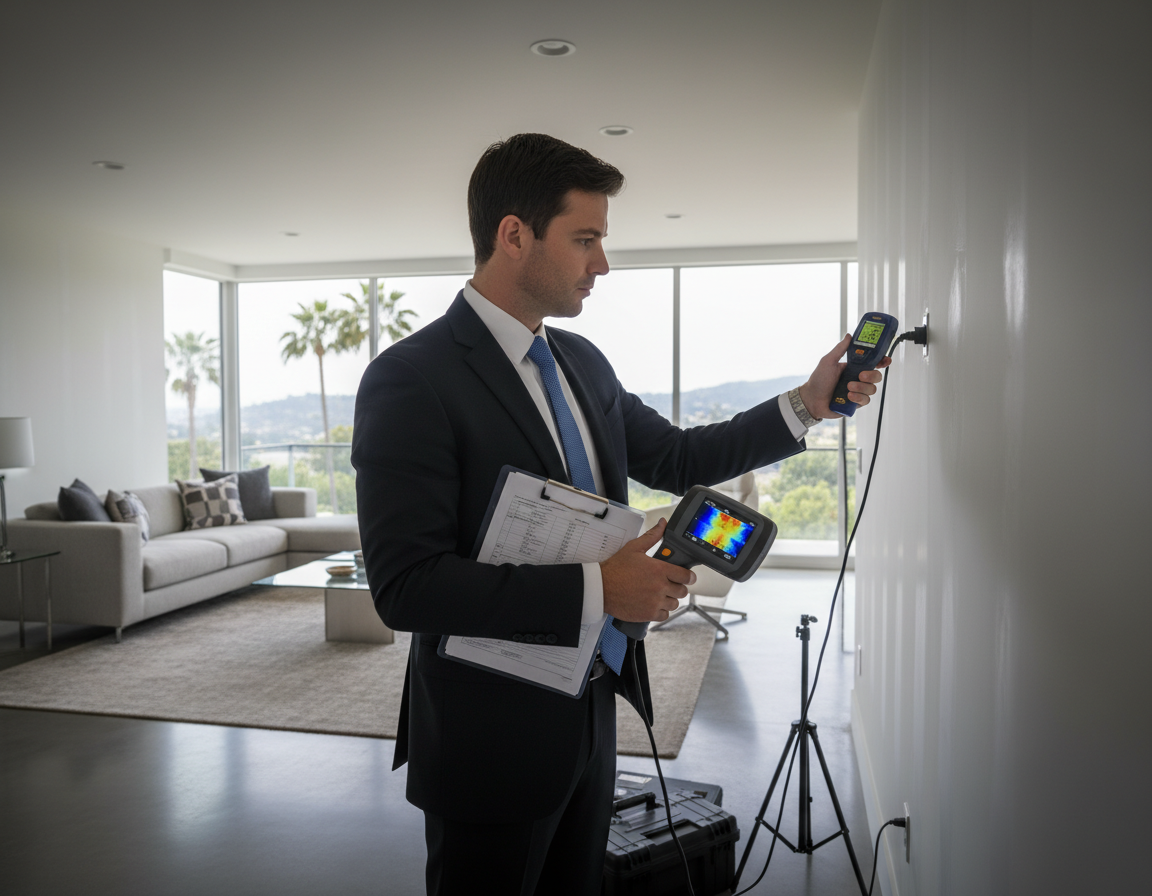
Our team uses FLIR infrared cameras to carry out a non-invasive moisture detection survey. Because these cameras capture thermal differences, they can highlight moisture patterns inside walls, ceilings, and floors. This allows us to find hidden leaks or condensation without cutting into the structure.

Locating water intrusion points is essential for a full mold inspection. By pinpointing exact damp areas, we can concentrate our efforts on the most important parts of your property. That makes the investigation faster, more focused, and more accurate for the homeowner.

Thermal imaging helps identify hidden moisture coming from roof leaks, plumbing issues, or condensation inside surfaces. It allows our team to focus on problem areas with greater precision. With this technology, hidden water damage is far less likely to be overlooked during the visit.

  • Detect hidden leaks behind walls without major demolition.
  • Reveal temperature differences that may indicate water intrusion.
  • Gather precise data that strengthens laboratory interpretation.
  • Check humidity levels in structural components more precisely.

Testing With Professional-Grade Equipment

Professional-grade equipment helps our inspectors gather meaningful data about your indoor environment. This includes calibrated meters, moisture tools, and high-precision air quality monitors. We maintain and calibrate these tools regularly so the data remains dependable.

Consistent sample collection is a major reason a mold inspection report can be trusted. The team collects atmospheric and surface samples across the building using professional tools and controlled methods. The way we manage our equipment helps prevent contamination from one job site from affecting another.

Advanced tools combined with certified expertise create the strongest results for your home. You receive a detailed analysis based on measurable evidence rather than assumptions or guesswork. This gives you greater confidence in the decisions you make about moisture issues and possible mold remediation.

Step-By-Step Mold Inspection Process

When you understand each stage of the mold inspection testing appointment, the experience often feels much less stressful. Our team follows a strict, science-based process to evaluate your Los Angeles home in a careful and complete way. This step-by-step method helps ensure that no significant issue is overlooked.

Property Assessment And Initial Consultation

The process begins with a detailed conversation about your home’s history, recent leaks, and any conditions that concern you. Those details help direct the inspection toward the spaces most likely to contain moisture-related problems. It also provides the team with important context before diagnostic work and sampling start.

Once the initial discussion is complete, our team performs a deeper property assessment with both visual review and moisture tools. Our team spends the proper time reviewing suspect areas for hidden moisture and related damage. A careful first inspection creates the foundation for more accurate findings later. We may examine spaces behind walls, beneath sinks, and around areas with past water events.

A Customized Sampling Strategy

Since no two homes are exactly the same, we design a sampling strategy around the conditions found in your property. We do not rely on a one-size-fits-all approach when planning testing. Instead, sampling is focused on the areas most likely to contain contamination according to the early findings.

That tailored plan helps us collect the right data while keeping unnecessary sampling and cost under control. Several key variables influence the final sampling strategy before collection begins.

  • Current moisture levels in both surfaces and indoor air.
  • Past leaks, water intrusion events, and related repair history.
  • The overall size of the property and how many levels or zones it includes.
  • Obvious warning signs such as musty odors, staining, or suspected fungal growth.

How Professional Sample Collection Works

Once the plan is set, our team begins the professional mold inspection testing process. We use calibrated equipment to collect both air and surface samples in a controlled manner. Strict industry protocols guide our specialists so sample integrity is preserved throughout the process.

On-site time usually falls between one and three hours, depending on the size of the property and the testing scope. Precision remains our top priority during this part of the evaluation. Each sample is carefully labeled, sealed, and prepared for transport to our partner laboratory. By handling samples carefully, we help reduce contamination risk and improve the reliability of the final results.

Laboratory Results And Detailed Recommendations

After laboratory analysis is complete, you receive a comprehensive report within a few business days. We explain the findings in straightforward language instead of relying on unnecessary technical jargon. The purpose is to help you clearly understand what the results reveal about your indoor environment.

We provide focused recommendations that outline any repairs, corrective measures, or remediation steps that may be appropriate. You are not left guessing about what to do next for your home. Our team remains available after the appointment to review the report and answer questions. Those recommendations provide a clearer roadmap for restoring confidence in your home’s condition and air quality.

Why Water Damage In L.A. Is A Strong Choice For Mold Inspection

Water Damage in L.A. distinguishes itself through an objective, property-focused approach that puts the homeowner first. We prioritize your health and safety while maintaining strong professional boundaries throughout the process. Our work is centered on identifying problems accurately rather than selling unrelated or unnecessary services.

A number of key benefits are built into the way we serve clients.

  • Independent, objective assessments with no hidden agenda.
  • Certified expertise shaped by local environmental experience.
  • Empathetic and responsive customer support.
  • Straightforward laboratory reporting grounded in science.

No Conflict Of Interest Guarantee

Some firms offer both testing and remediation, and that setup can create a clear conflict of interest. When a firm also profits from remediation work, it can raise concerns about whether the findings were exaggerated. Conflicts like that can undermine trust in the entire process.

That is where our company takes a different approach. We provide only testing, inspection, and reporting services, while avoiding remediation, repairs, and construction work. Because of that separation, our findings remain more objective and easier to trust.

You can feel more confident in our mold findings because we have no financial stake in the cleanup work that may follow. That protects clients from unnecessary remediation costs and supports more honest decision-making. Our priority is to give you the truth about the condition of the home so you can make informed decisions.

Flexible Scheduling And Fast Response

We understand that finding moisture damage or suspected growth can be stressful and time-sensitive. When a moisture issue appears, getting clear answers quickly can matter for both the home and the family. For that reason, same-day appointments are offered whenever scheduling permits.

Do not spend unnecessary time waiting for uncertain answers or delayed scheduling. Call us today to secure an appointment that fits your timing and your needs. Our staff is trained to be responsive, understanding, and helpful during urgent situations.

Transparent Process And Clear Communication

We believe the work should be explained clearly and honestly from the very beginning. We explain every stage of the mold inspection in plain language rather than confusing technical terms. You receive a detailed report that is intended to be useful, understandable, and actionable.

We spend the proper time reviewing findings and answering your questions carefully. Our goal is to give you a clear understanding of your indoor environmental conditions. Any mold remediation recommendations are shared objectively, without pressure or sales tactics.

Accurate identification of hidden mold growth remains our highest priority. Everything we do is intended to leave you with the information needed to make sound decisions about the home.

When Los Angeles Homeowners Should Schedule A Mold Inspection

Knowing when to schedule a mold inspection can help prevent major future costs and long-term property issues. A hidden problem is often allowed to worsen because many homeowners wait too long before acting. By recognizing the signs early, you may be able to protect both your family and your financial investment.

When Water Damage Or Flooding Has Occurred

A water damage event often creates the exact conditions needed for quick mold growth. Whether the source is a burst pipe, a roof leak, an appliance failure, or heavy rain, moisture can remain trapped in building materials. In many cases, fungal growth may begin within just 24 to 48 hours after the intrusion.

A fast evaluation is essential when the goal is to identify contamination before it expands. An expert assessment often identifies damp zones that normal cleanup methods do not fully catch. Responding quickly to water damage reduces the chance that mold growth will take hold inside walls, flooring, or insulation.

Visible Mold Or Musty Odors

When fuzzy areas, discoloration, or persistent musty smells appear, a mold issue may already be developing. That kind of odor often points to spores growing behind drywall, under flooring, or within HVAC systems. If these warning signs appear along with coughing, irritation, or unexplained allergies, they should be taken seriously.

Advanced diagnostic tools help our experts locate the source of the problem even if it is hidden from view. Professional testing confirms whether your home environment is safe or whether action is needed. If mold is present, identifying it early usually helps keep the cleanup scope smaller and more manageable.

Before Buying A Home Or Property

Buying a new home is a major financial step, and hidden contamination can turn that investment into an expensive surprise. Before closing, a pre-purchase inspection in Los Angeles can provide much-needed clarity and peace of mind. Sometimes even sellers are unaware of older water damage or hidden moisture problems within the structure.

When these conditions are discovered before the sale is complete, buyers often gain valuable negotiating leverage. This step helps confirm the house is healthier and better understood before paperwork is signed. It is almost always better to uncover a hidden mold issue before the transaction is complete.

  • After major plumbing leaks, burst pipes, or roof-related water intrusion.
  • After a property has been vacant long enough for humidity and poor ventilation to build up.
  • If you start seeing peeling paint, bubbling surfaces, or unexplained staining.
  • Following remediation or cleanup, to confirm that the mold issue is actually gone.

Closing Summary

Water Damage in L.A. provides comprehensive inspection testing services to help property owners gain real peace of mind. Our Los Angeles mold experts understand the ways moisture impacts different property types and structures. Our mold inspection testing process is designed to evaluate both visible and concealed areas inside the home.

Our team brings years of experience to angeles mold testing and air quality analysis. We provide only testing services and do not perform remediation ourselves. A conflict-free process helps ensure the final report and recommendations stay unbiased. Our certified inspectors work to identify each significant type of mold growth affecting the property.

You should not let poor air quality continue to affect the people you love. Our inspectors help lead you through the process so the household can move forward with greater confidence. Book an appointment today for professional mold testing inspections throughout Los Angeles. Our mold inspection testing service is designed to produce accurate air analysis for your property.

Visit www.waterdamageinla.com or call us to begin the inspection process. Our Los Angeles mold inspectors deliver inspection testing services without the bias that can arise when the same company also sells remediation. Trust our mold testing team to provide the mold inspection testing services your property needs today. From the first day, we aim to help support cleaner air inside your property.