
Approximately a third of household plumbing callouts start at a failed shutoff. This emphasizes the significance of the right water control valve. It is as vital as the unit it serves.
Best Website To Purchase 1 2 X 3 8 Angle Stop
This overview provides an in-depth look at the chrome compression stop valve. It explains its definition, its role in contemporary plumbing systems, and the merits of accurate setup. Homeowners and professionals will locate practical insights for a range of tasks, from sink isolation to dishwasher and washing machine hookups.
We reference industry resources and product examples, such as chrome-plated brass models featuring built-in seals. This helps explain compatibility with common stub-outs and water lines. Whether you are performing a self-repair job or purchasing components from distributors such as Installation Parts Supply.com, knowing about the compression stop valve is crucial. This ensures you choose the right shutoff valve for your task.
Understanding Angle Stop Valves And Compression Fittings
Angle valves are space-saving shutoffs that change flow direction at a right angle connecting a wall pipe and the supply hose. A regular 1/2 angle stop valve resides beneath basins and behind the WC. It delivers a point-of-use shutoff without cutting water to the entire home. DIY enthusiasts and professionals utilize these stops for routine maintenance, appliance replacement, and fast shutoff while fixing plumbing issues.
What an angle stop does:
- Offers a local shutoff at lavatories, sinks, toilets, dishwashers, and washing machines.
- Accommodates cramped spots where a straight valve would be too bulky.
- Sold in typical sizes such as angle valve 1/2 or smaller 1/4 options.
Creating a seal with compression fittings
Compression fittings rely on a nut and ferrule that squeeze onto the pipe material (with an insert) to establish a mechanical joint. The compression fitting angle valve mounts without soldering, which speeds up the process and eases future valve replacement. Installers tighten the nut to seat the ferrule onto the pipe; the ferrule grips and seals the tube.
Why professionals and homeowners choose compression
- No torch or hot work makes compression ideal for replacements and hard-to-reach spots.
- Fittings such as the 1/2-inch stop are exchangeable without shortening the pipe if the ferrule and nut remain serviceable.
- Compression works well with copper pipes and PEX tubing when paired with appropriate stiffeners or rings.
Compression vs. soldering and threading
Compression removes the need to solder and is more rapid for numerous repair scenarios. Soldered joints create a solid seal that traditionalists like for permanent installations. IPS connections, such as threading an angle stop into an female threaded elbow, allow easy removal but demand careful positioning and sealing. Industry debates often center on in-wall nipples versus soldered adapters and aesthetic issues when piping is exposed under sinks.
| Connection Type | Pros | Disadvantages |
|---|---|---|
| Compression (1/2 angle stop valve) | Fast setup, no solder, easy valve replacement, compatible with copper and PEX | Ring might need replacing if taken apart often; not always seen as permanent as sweat |
| Soldered | Durable, solid bond, preferred for long-term installs | Requires soldering, fire risk, longer downtime during installation |
| IPS Joint | Serviceable, strong mechanical bond, good for repeated maintenance | Requires proper sealing, buried nipple issues, can be bulky in tight spaces |
Chrome Plated Compression Angle Stop Valve
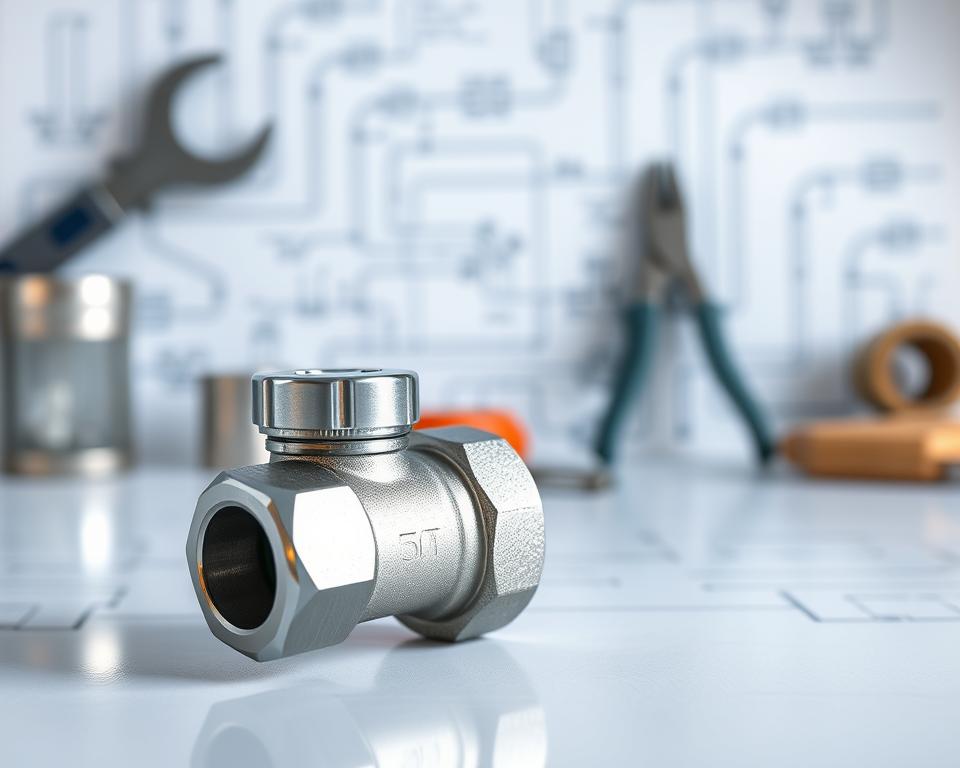
This chrome valve is a great mix of style and functionality for visible fixtures. It is built to meet the needs of consumers and pros alike, due to its chrome-plated brass construction. This makes it a popular choice for open shut-off points and speedy replacements.
Overview Of Chrome-plated Brass Construction And Finishes
Top-tier angle valves feature solid brass construction finished in chrome. This coating aligns with bathroom hardware and ensures a sleek aesthetic that fights discoloration. Manufacturers use brass for its robust nature, making sure it is safe for potable water use.
Manufacturers such as Schell, Moen, and others supply chrome brass models. They also offer versions with built-in gaskets. Catalogs list the finish, sizes, and whether the valve comes with a repackable stem or a pre-installed nut.
Vital Features: Long Life And Corrosion Protection
Brass is recognized for its corrosion resistance and ability to prevent metal degradation in domestic water environments. The outer layer provides an extra safeguard. It ensures the valve matching with taps and other fixtures.
Integrated seals remove the requirement for thread sealants during installation. The quality internals and maintainable seals promise a extended operational life. They provide secure closing after repeated use.
Common Installation Spots For Chrome Valves
Chrome stops are great for beneath vanities, behind the WC, and inside kitchen cabinets. The tight right-angle turn is excellent for tight quarters. They are also useful for 90-degree hookups.
Popular selections include the 1/2″ comp valve or a 1/2 x 1/4 variant, contingent on the supply tube size. Product pages usually show photos of the valve, seal details, and cost info. This helps set customer expectations for bathroom hardware and plumbing fixtures.
Common Sizes And Connection Styles For Angle Stops
When choosing an angle valve, knowing sizing conventions is critical. Makers label connection sizes as nominal dimensions, for example 1/2 x 1/4 angle stop or 1/2 x 1/2 angle stop valve. These designations signify fitment with different appliances and supply lines.
The label 1/2 inch stop normally refers to a 1/2-inch input, designed to connect to wall stub-outs. This size can accommodate a smaller outlet, like a 1/4″ stop, for fixture feeds. A 1/4-inch stop is often used for smaller flex lines or appliance feeds.
In certain instances, a 1/2 x 1/4 angle stop is selected where the pipe is full-size copper or PEX, yet the appliance needs a reduced connection. In scenarios where both supply and outlet have the same diameter, a 1/2 x 1/2 angle stop valve is the choice. Double-check the inlet and outlet dimensions prior to purchase.
Compression stops are preferred for their convenience. A 1/2 inch compression stop matches regular 1/2 inch pipes with appropriate hardware. Most stores sell a 1/2 inch compression stop, including a nut and sleeve for ready-to-go setup.
Be aware that some valves are marked in metric sizes, like DN15 for a nominal half-inch. Make sure the part corresponds to the actual supply piping and flexible hose fittings at the job. Confirm whether the item includes an built-in seal or if a new ring is needed to prevent problems.
Valve Selection Guide: Compatibility And Measure
Choosing the right valve begins with careful measurement and confirming the connection type matches the stub-out. Check the stub-out for its OD on copper pipes. Check for threading and determine if the pipe terminates in a drop-ear fitting or a smooth pipe. This verification can stop wrong orders and save time when installing.
How To Measure Stub-outs And Determine Angle Valve 1/2 Compatibility
Gauge the copper pipe by their outer diameter. A nominal 1/2″ copper stub-out is roughly 1/2″ OD. If threads are present, identify whether they are FIP or MIP. For comp fittings, make sure the pipe surface and pipe length allow proper engagement with the ferrule and nut.
Trade practices often favor fixed elbows or soldered adapters for stability or better sealing. Match these features to the valve inlet designation to make sure the 1/2 inch valve fits without requiring hacky solutions.
Spotting 1/2 x 1/2 Valves Versus Different Styles
Examine packaging and specifications carefully. A 1/2 by 1/2 comp stop will show both sides as 1/2 inch size. On the other hand, a 1/2 x 1/4 angle stop will possess a smaller outlet for fixture tubing or a flexible connector.
When replacing valves for a retrofit, compare the outlet size to the faucet line. Ensure the configuration is correct. Some installers stock distinct inventory of chrome stops for visible areas and rough brass for cabinet interiors.
Inspecting For Internal Seals And Compression Nuts
Look at the specs for ferrules, nuts, or integrated seals. Certain models, like those from Schell, come with attached nuts or integrated seals. These features make install easier and eliminate the need for thread tape.
Compression-specific options often specify whether a valve comes with preinstalled ferrules or a factory-fit nut. Pick valves with documented integrated seals for a leak-resistant, fast setup, which is critical in small spaces.
Best Install Practices For Leak-Free Angle Stops
Start by meticulously preparing the pipe. Use a high-quality tube cutter to cut the tube straight. Make sure the pipe end is smooth and flat for good seal contact. Place the compression nut and ferrule on the pipe in the right order before attaching the valve. Wipe the threads of drop-eared 90s or female adapters and check the depth to ensure good fit.
To install a compression stop, slide the ring into the valve body while tightening the nut. Stabilize the valve and tighten in small increments. This promotes uniform pressure of the ferrule. Follow the manufacturer’s torque guidelines, typically hand-tight plus a quarter to a half turn using a wrench.
If installing chrome, protect its finish. Plated finishes are prone to scratches. Use a strap wrench or a rag to avoid scratches during tightening. Tighten bit by bit and check the connection. Excessive force can warp the sleeve or strip threads, resulting in drips.
Compression connections usually don’t require plumber’s tape. Use pipe dope or Teflon tape only to threaded adapters, as directed. Self-sealing valves or self-sealing designs often don’t need tape or sealant at the connection point.
For a dry connection, pressure test the line. Check the nut and ring for seepage. If a minor leak appears, tighten incrementally. If dripping persists, disassemble, inspect, put on a new ring, and try again.
Experienced plumbers like soldered or screwed joints for long-term jobs. Trade practices sometimes use drop-ear elbows for easy changes without cutting the stub-out. Choose the method that fits the fixture access and maintenance needs.
Tools And Parts For Chrome Valve DIY Fixes
Using the correct gear and parts is key to a smooth fix. Clean the work zone, check the part number, and collect your tools prior to cutting the water.
Basic equipment
An crescent wrench and a backup wrench are vital for stabilizing the pipe while you turn the valve. A good pipe cutter is needed for straight cuts on copper tubing, reducing leak risks. Use a deburring tool or file to remove burrs after cutting. A rag or soft-jaw wrench will safeguard the chrome finish when installing. Flaring tools, though less common for compression joints, are needed for flare connections.
Needed supplies
Always use new sleeves and fresh compression nuts when changing a valve. Have washers, seals, and integrated seals available for models that require them. Choose manufacturer-specific ferrules for the best fit and seal performance.
Safety and shutoff
Before loosening any connection, find the isolation valve or house main. Open the fixture and valve to release pressure from the line. When near an electric water heater or garbage disposal, cut the power. Use safety glasses and check for pressure before removing fittings.
Sourcing components
Wholesale distributors like Installation Parts Supply offer nuts in bulk, new ferrules, and chrome stops. They supply pros and DIYers handling many jobs. Ordering the correct sizes and makes in advance minimizes callbacks and keeps projects on track.
Troubleshooting Installation Issues
Small leaks and stubborn fittings are common when installing valves. This guide guides you through useful steps for fixing drips. It also discusses how to handle wall-mounted stub-out dilemmas and steps to avoid problems with a hidden pipe inside a finished wall.
Finding leaks
Begin by finding the origin: inlet, outlet, or packing. A drip at the nut suggests bad ring seating, improper torque, or a damaged ferrule.
If the nut shows a tiny leak, back it off, remove the valve, inspect the ferrule and pipe end, then reseat or replace the ferrule and nut. Remove burrs or deformity on the tube before putting it back.
Valves that use integrated seals need visual inspection. If the seal is torn or moved, swap the unit. When fixing leaks, document the exact location to stop guessing.
Wall pipe problems
Pros argue about threaded vs soldered elbows at rough-in. A threaded elbow allows threading and be changed without cutting the stub-out. This method aids a leak-resistant angle stop valve strategy for future service.
Soldered joints produce a durable, permanent joint. They reduce the chance of seepage at the joint, but soldered connections make future valve swaps harder. Pick solder when durability and low maintenance are priorities.
When buried nipples cause problems
A pipe nipple in the wall can rust or stick behind the tile, causing a frozen valve and difficult repair. Trade literature from experts like Peter Hemp stresses planning rough-in details to prevent this.
Recommended practice is to use drop-eared 90s, a exposed threads, or a solder adapter at rough-in so the threaded nipple isn’t lost in the wall. This forethought lessens the need to cut into finished walls for valve replacement.
Repair steps
- Change rings and nuts if they look bent; brass ferrules often deform under over-tightening.
- Recut and deburr tubing when the pipe end is damaged; a smooth end helps the seal.
- Choose parts at rough-in that permit serviceable swaps to maintain a leak-resistant angle stop valve approach.
| Symptom | Likely Cause | Solution |
|---|---|---|
| Leak at nut | Improper ferrule seating or bad ring | Loosen nut, swap ring/nut, trim pipe, retighten to spec |
| Stem leak | Packed stem wear or misaligned bonnet | Turn off water, snug packing nut, replace if needed |
| Stuck valve on buried nipple | Rust or seized threads inside wall | Cut to fitting, use drop-eared 90 or sweat adapter at rough-in |
| Solder leaks | Poor solder joint or dirty flux | Clean and resolder, sweat fittings properly or use threaded where serviceability matters |
Valve Quality And Certification Details
When choosing valves, specs and certs are vital. NSF/ANSI 61 guarantees drinking water safety, while ANSI/NSF 372 ensures lead-free status. ASME and CSA standards are critical for projects subject to regional codes. Product listings specify flow ratings and metric sizing, where DN 15 means a nominal 1/2 inch connection.
It is vital to check features to fit the job. Valves with seals stop the need for additional tape or sealant. Built-in check valves and dual flow limiters cater to specific code or fixture requirements. The design of the packing gland and included ferrules or nuts impacts labor time and long-term sealing.
Schell’s valve with integrated seal exemplifies how manufacturers present finish, dimensions, and certifications. Ratings and Best Sellers rankings are useful for assessing product reliability in plumbing parts. Trusted brands frequently have combination valves with checks or flow controls for particular applications.
Suppliers simplify purchasing for builders. Firms such as Installation Parts Supply get chrome valves from top brands. They confirm certifications and warranty coverage. It’s important to check price differences, check stock, and confirm certifications match job needs before bulk buying.
Use a short comparison checklist when choosing:
- Certs: NSF/ANSI 61, ANSI/NSI 372, ASME/CSA where applicable.
- Features: seals, checks, packing, flow control.
- Sizing: DN sizing, inlet/outlet types, included ferrules and nuts.
- Buying: wholesale availability, stock levels, warranty, and distributor reputation.
Save copies of cert numbers and batch details when buying. These records helps with inspections and long-term plumbing fixture maintenance. Store pages and supplier books often give spec sheets for each chrome compression angle stop valve, aiding in finding the right part.
Care, Durability, And Signs Of Failure
Ongoing upkeep is essential to keeping valves in top condition and making them last. A simple inspection every six months can spot problems before they get worse. It is smart to check for any stiffness, small leaks, or rust to monitor condition.
When to swap
Visible leaks around the compression nut or constant drips from the stem show it’s time for a replacement. Corrosion or pitting of the chrome finish damages the body, leading to faster failure. If a 1/2 angle stop or 1/4″ stop becomes stiff or seized, it indicates that it needs to be replaced.
Care tips
Turning valves occasionally by opening and closing them slightly helps prevent seizing. Cleaning aerators and hoses regularly cuts down debris and mineral buildup. In areas with hard water, think about installing a softener or adding a filter to slow down accumulation that kills valves.
Joint maintenance
Ferrules crush under torque and must be swapped whenever a joint is disturbed. Using old rings causes leaks at the joint. Always install new compression ferrules and nuts when fixing to guarantee a seal.
When to upgrade valve types
Constant leaks, frequent repairs, or hard installs are valid reasons to think about upgrading. Explore sealed valves, combo valves with checks, or switching from buried threaded nipples to sweat adapters for easier future service. Upgrades can significantly improve longevity and reduce downtime for both homeowners and plumbers.
Lifecycle expectations
Good chrome valves can last decades under normal conditions. The actual lifespan depends on water purity, usage frequency, and how well installed. Spotting issues of replacement signs and regular maintenance can maximize the performance of a 1/2 valve or 1/4 angle stop, minimizing unexpected failures.
Price Factors And Buying Tips For Pros And DIYers
Selecting the valve is a balance of cost, needs, and value. Homeowners and contractors weigh many things. These include the material, quality of chrome plating, and whether the part includes integrated seals or check valves. A more expensive 1/2 x 1/2 angle stop valve, made from solid brass heavily plated, will last longer pot metal in exposed spots.
Retail purchases are good for minor fixes needing one part. Contractors, on the other hand, like wholesalers for their bulk rates and inventory depth. Installation Parts Supply offers a wider selection of approved valves and contractor-friendly warranties. This can help reduce the project cost when purchasing many valves.
Cost planning must include more than just the valve’s price. Include the cost of hardware, possible adapter fittings, and basic tools for replacements. For fixture jobs seen by users, match the finish and trim to the faucets to protect perceived value. For cabinet valves, focus on function and reliability over cosmetic appeal.
Comparing sources, verify warranties, returns, and certification documentation. Distributors can lower per-unit cost, but some retail lines give lifetime guarantees that balance the cost. Consider the labor time saved using better valves when estimating total project expenses.
Use this quick checklist when buying:
- Brass and chrome quality for durability and finish match.
- Integrated seals or check valves to simplify install.
- Fit with pipes or fittings to stop extra work.
- Vendor trust and warranty, specially from distributors like Installation Parts Supply.
To summarize, weigh upfront cost vs long-term value. Investing a bit more in a quality valve or a robust 1/2 compression angle stop can lower maintenance calls and better the outcome on plumbing projects.
Final Thoughts
Choosing the right chrome compression angle stop valve takes a few steps. First, check the sizing. Understanding how compression joints work is also essential. Finally, follow established installation practices to ensure a durable, leak-free stop.
Whether you’re tackling a home repair or a pro job, certain steps are critical. Swap ferrules when servicing. For simple installs, consider valves with integrated seals. Use the correct torque and sealing technique to get a good seal.
Proper tools and attention to detail are crucial for successful chrome valve installation. This method minimizes the risk of leaks after installation. When buying, use good suppliers like Installation Parts Supply. They sell quality valves and integrated-seal models, such as the Schell DN15-style, which meet potable water standards.
With the right parts, sizing, and craftsmanship, pros and DIYers alike can achieve durable, good-looking, and reliable setups. This guarantees years of reliable service from your chrome stop valve.
Related: Best Practices For Working With A 1/2 Compression Tee Brass Forged